



Digital News Guru Election Desk:
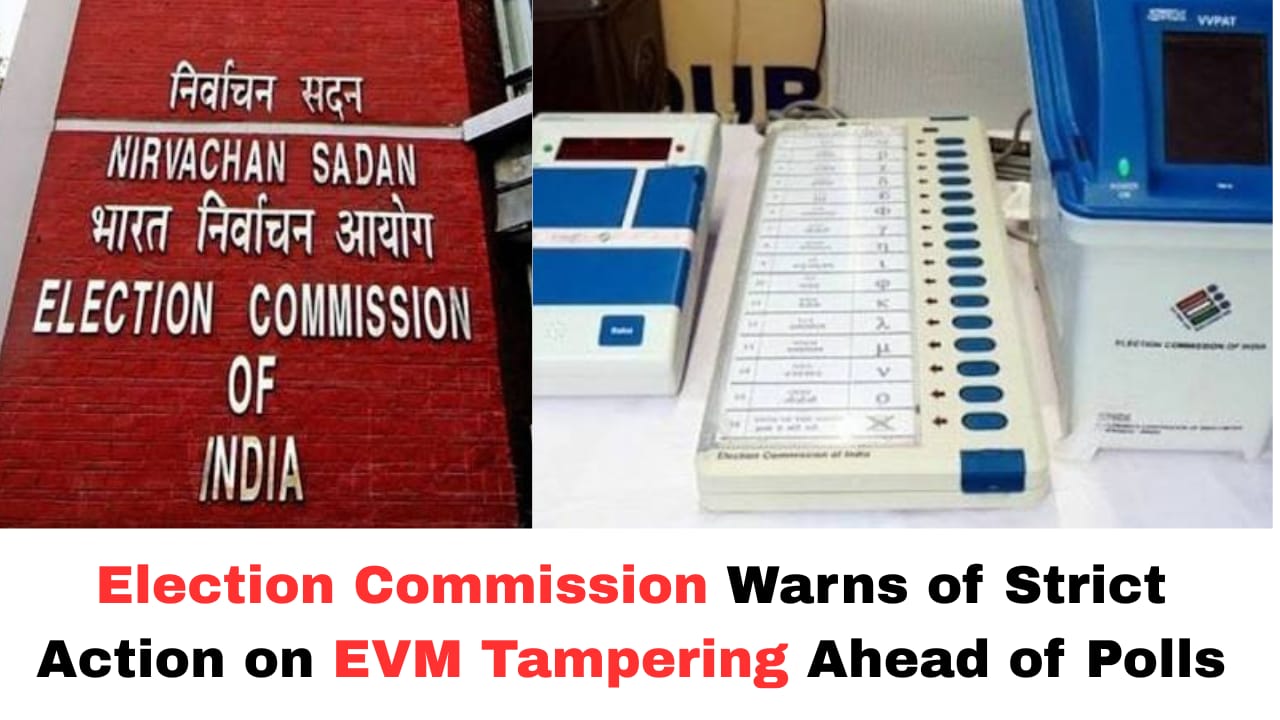
The Election Commission of India (ECI) has recently issued a strong warning against any attempt to tamper with Electronic Voting Machines (EVMs), underscoring its commitment to ensuring free and fair elections. This development comes at a crucial time, as several states gear up for important elections and political activity intensifies across the country.
Election Commission’s Warning on EVM Tampering
The Election Commission has directed polling officials to remain extremely vigilant and ensure that EVMs are not interfered with in any manner. Specifically, officials have been asked to check that all buttons on the machines are clearly visible and not obstructed by substances like tape, glue, ink, perfume, or chemicals. Such acts, even if seemingly minor, are considered serious violations because they can compromise the secrecy and integrity of voting.
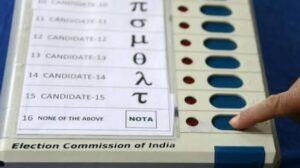
The Commission has also made it clear that any such tampering will invite strict action, including criminal proceedings and even re-polling in affected booths. This firm stance reflects the seriousness with which the electoral body views any threat to the credibility of elections.
Why EVM Integrity Matters
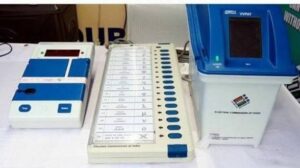
EVMs are the backbone of India’s electoral system. Introduced to replace paper ballots, they have helped reduce fraud, speed up counting, and improve efficiency. The Election Commission has consistently maintained that these machines are secure, standalone devices that cannot be hacked remotely, as they are not connected to any network.
Moreover, additional safeguards such as the Voter Verifiable Paper Audit Trail (VVPAT) allow voters to confirm that their vote has been recorded correctly. Over the years, multiple checks and verifications have reinforced confidence in the system, with authorities repeatedly asserting that EVMs are tamper-proof under existing protocols.
Rising Concerns and Political Debate
Despite these assurances, concerns about EVM tampering continue to surface, especially during election periods. Political parties and leaders have occasionally raised doubts about the transparency of the system. In recent weeks, such concerns have resurfaced in states like West Bengal, where leaders have urged voters and party workers to remain vigilant at polling booths.
Additionally, complaints about surveillance issues—such as malfunctioning CCTV cameras in strong rooms where EVMs are stored—have added to the debate. These incidents highlight the importance of maintaining robust monitoring systems to prevent any suspicion or irregularity.
The Election Commission’s latest warning can thus be seen as both a preventive measure and a response to the broader political environment, where trust in the electoral process is frequently contested.
What Constitutes Tampering?
The Commission has clarified that tampering is not limited to hacking or technical interference. Even physical actions that may influence voting behavior or compromise secrecy are considered violations. For example:
- Marking or altering EVM buttons
- Obstructing visibility of candidates’ names
- Using substances to track voter choices
Such acts are taken seriously because they can undermine the fundamental principle of secret voting, which is essential to a democratic system.
Measures to Ensure Transparency
To counter these risks, the Election Commission has implemented multiple safeguards:
- Pre-poll checks: Machines are tested in the presence of political party representatives.
- Sealing and storage: EVMs are securely sealed and stored under strict surveillance.
- CCTV monitoring: Strong rooms are monitored round the clock.
- Randomization: Machines are randomly allocated to polling booths to prevent manipulation.
These measures are designed to ensure that no single individual or group can influence the outcome of elections.
Legal and Administrative Action
The Commission has emphasized that any attempt to tamper with EVMs will lead to immediate and strict consequences. This may include:
- Filing of criminal cases
- Disqualification of candidates or polling staff involved
- Cancellation of polling and ordering of re-elections
Such actions are intended not only to punish offenders but also to deter others from attempting similar misconduct.
The Bigger Picture
India, as the world’s largest democracy, conducts elections on an enormous scale. Ensuring the integrity of this process is both a logistical and ethical challenge. The Election Commission, a constitutional body, is entrusted with the responsibility of maintaining this integrity and public trust.
The latest warning reflects the Commission’s proactive approach to safeguarding elections. It also highlights the evolving nature of electoral challenges, where both technological and human factors must be carefully managed.
Conclusion
The Election Commission’s strict warning against EVM tampering sends a clear message: any attempt to compromise the electoral process will not be tolerated. While debates and concerns about EVMs may continue, the Commission’s emphasis on vigilance, transparency, and accountability is crucial for maintaining public confidence.
In a democracy as vast and diverse as India’s, the credibility of elections is paramount. Ensuring that every vote is cast freely and counted accurately is not just the responsibility of the Election Commission, but of all stakeholders—including political parties, officials, and citizens.
You May Also Read: Shah Rukh Khan’s King Creates Buzz with Massive Rs 250 Crore Distribution Deal