



Digital News Guru Uttar Pradesh Desk:
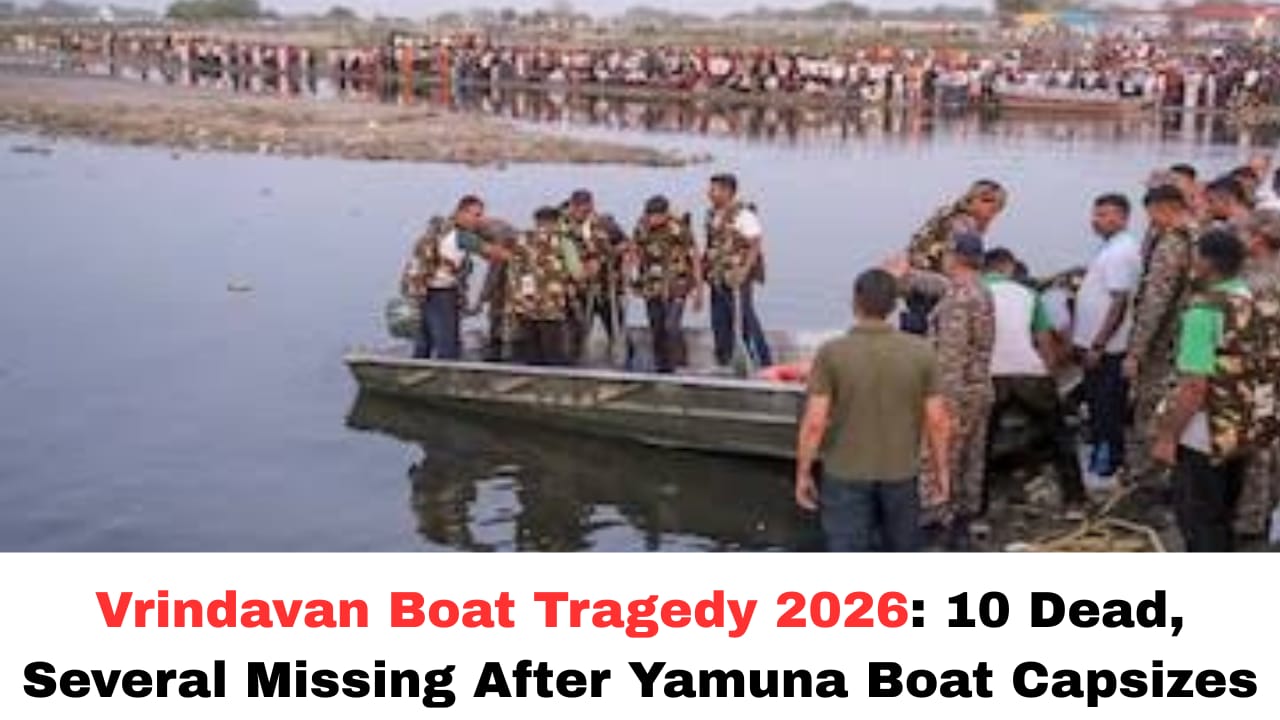
A peaceful pilgrimage turned into a devastating tragedy on April 10, 2026, when a boat carrying devotees capsized in the Yamuna River near Keshi Ghat in Vrindavan, Uttar Pradesh. The incident, which has claimed at least 10 lives and left several others missing, has once again exposed serious concerns about safety standards in India’s inland water transport system.
Yamuna Boat Accident in Vrindavan
According to officials, the ill-fated boat was carrying more than 30 passengers, most of whom were pilgrims from Punjab visiting Vrindavan as part of a religious trip. The accident occurred in the afternoon when the vessel lost balance and overturned midstream.
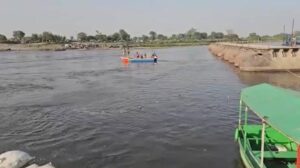
Initial findings suggest that the boat drifted into deeper waters and collided with a floating pontoon structure—remnants of a temporary bridge—leading to the sudden capsizing. The impact, combined with possible overloading and unstable river conditions, proved fatal within seconds.
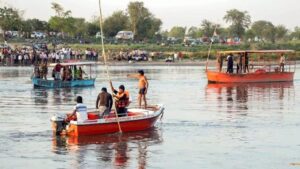
Eyewitnesses and survivors described how the journey had begun on a serene note, with passengers singing bhajans and enjoying the spiritual atmosphere of Vrindavan. However, the situation quickly turned chaotic as the boat tilted and overturned, throwing people into the river without warning.
Casualties and Rescue Operations
Authorities have confirmed that at least 10 people, including women, lost their lives in the tragedy, while 5 or more people are still missing.. More than 20 passengers were rescued by emergency teams and local boatmen, many of whom were rushed to nearby hospitals for treatment.
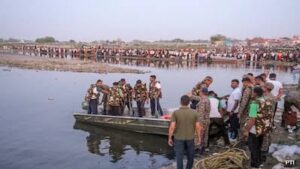
Rescue operations were launched immediately and involved multiple agencies, including the police, State Disaster Response Force (SDRF), National Disaster Response Force (NDRF), and local divers. Search teams have been combing the river for missing individuals, even as strong currents and limited visibility pose significant challenges.
Officials stated that many of the victims were part of a larger group of over 100 pilgrims who had traveled from Punjab to visit religious sites in the region. The tragedy has left families shattered, with several still waiting anxiously for news about their missing loved ones.
Causes and Lapses
Preliminary investigations point to multiple factors contributing to the accident. One of the key issues appears to be overloading. Reports indicate that the boat, which had a capacity of around 15 passengers, was carrying nearly double that number at the time of the incident.
Additionally, the collision with the floating pontoon structure played a crucial role. Experts believe that the presence of such obstacles in the river, especially after the dismantling of temporary bridges, poses a serious hazard to navigation.
Another alarming aspect is the apparent lack of safety measures. Many passengers were reportedly not wearing life jackets, and the boat itself may not have been adequately maintained. Such lapses significantly reduce the chances of survival in emergencies.
There are also reports that strong winds may have destabilized the vessel, further complicating the situation. Combined with overcrowding and structural hazards, these factors created a perfect storm that led to the disaster.
Government Response
The tragedy has drawn widespread attention and condolences from leaders across the country. Prime Minister Narendra Modi expressed deep sorrow over the loss of lives and extended condolences to the families of the victims.
Uttar Pradesh Chief Minister Yogi Adityanath also expressed grief and directed officials to expedite rescue operations and ensure proper medical care for the injured.
Meanwhile, Punjab Chief Minister Bhagwant Mann, acknowledging that many victims were from his state, assured full support to the affected families and coordinated with the Uttar Pradesh government for relief efforts.
Authorities have announced compensation for the victims’ families and initiated an investigation into the incident. The role of the boat operator, who reportedly fled the scene, is also under scrutiny.
A Broader Concern
The Vrindavan boat tragedy is not an isolated incident. India has witnessed several similar accidents in recent years, often caused by overcrowding, poor maintenance, and lack of regulatory enforcement.
Religious tourism, especially in places like Vrindavan, Varanasi, and Haridwar, sees a massive influx of visitors throughout the year. However, infrastructure and safety mechanisms have not kept pace with this growth. Boats are frequently overloaded, and basic safety equipment such as life jackets is often neglected.
This incident highlights the urgent need for stricter regulations, regular inspections, and accountability in the operation of passenger boats. Authorities must ensure that capacity limits are strictly enforced and that all vessels are equipped with essential safety gear.
Conclusion
The Yamuna boat tragedy in Vrindavan is a heartbreaking reminder of how negligence and lack of preparedness can turn a moment of devotion into a disaster. As families mourn their loved ones, the incident raises critical questions about safety standards and governance.
Preventing such tragedies requires more than just reactive measures—it demands a proactive approach that prioritizes human life above all else. Only then can such devastating incidents be avoided in the future.
You May Also Read: Hai Jawani Toh Ishq Hona Hai Release Preponed, Film May Arrive in May 2026