



Digital News Guru Crime Desk:
83 Stolen Phones Seized in Delhi
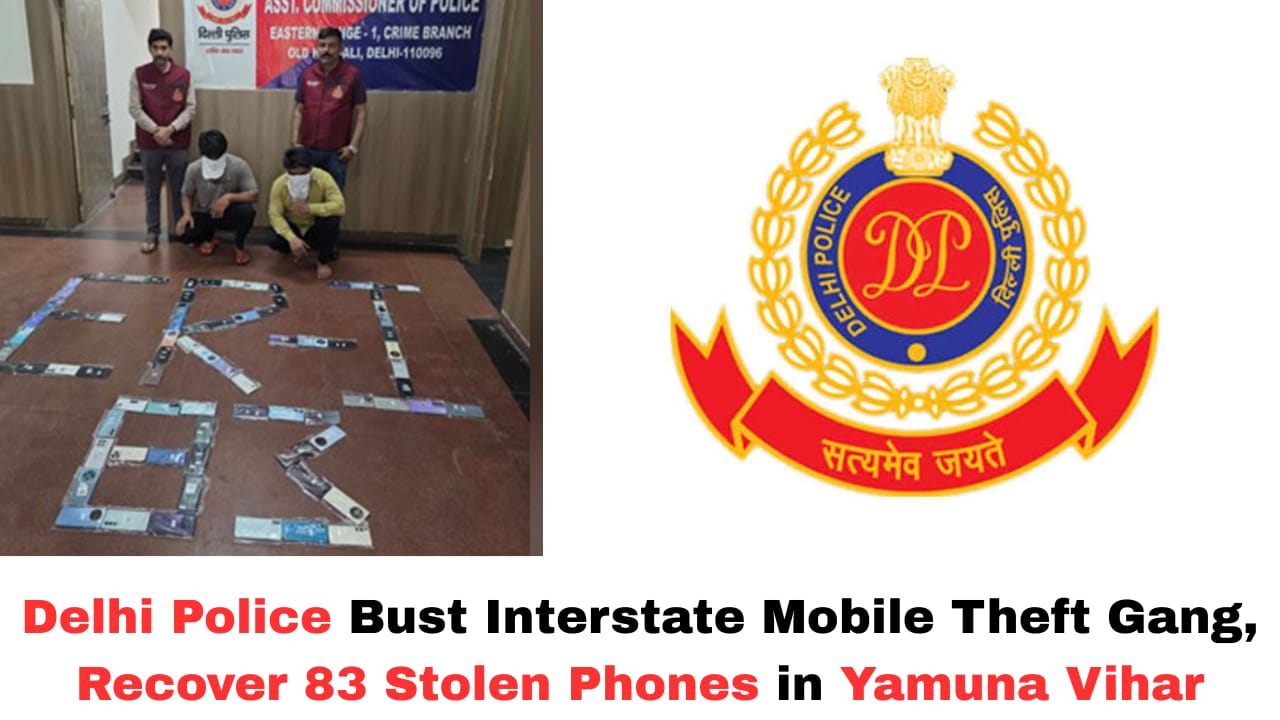
In a major crackdown on organized crime, the Delhi Police Crime Branch has successfully dismantled an interstate mobile phone trafficking racket operating from Yamuna Vihar in northeast Delhi. The operation, which led to the recovery of 83 stolen mobile phones and the arrest of two accused, highlights the growing scale of organized theft networks and the challenges faced by law enforcement agencies in curbing such crimes.
Yamuna Vihar Raid
The breakthrough came after the police received specific intelligence inputs about illegal activities being carried out from a rented property in Yamuna Vihar. Acting swiftly on this information, a team from the Crime Branch conducted a planned raid on March 27, 2026.
The operation was executed at a house located near Momin Chowk, where the suspects were reportedly operating from the third floor. Despite the possibility of resistance and crowd mobilisation in the area, the police carried out the raid efficiently and without disruption.
During the search, officials discovered a sealed carton containing 83 stolen mobile phones, confirming suspicions of a well-organized racket.
Arrests and Seizures
Two individuals—identified as Saavej (34) and Fardeen (25)—were arrested red-handed while packing the stolen devices for dispatch.
The recovered phones included high-end models from popular brands such as Apple, Samsung, OnePlus, Vivo, and Oppo. These devices were not random finds; investigators later confirmed that many of them were linked to reported theft cases in Delhi and neighbouring states like Uttar Pradesh.
Authorities verified the stolen status of the phones using their IMEI numbers through official databases, ensuring that the recovery was backed by solid evidence.
How the Racket Operated
Preliminary investigations have revealed that the racket was part of a larger interstate network involved in mobile theft and illegal trafficking. The accused reportedly sourced stolen devices from a supplier known only as “Danish.”
Once collected, the phones were packed and sent via courier services to West Bengal, from where they were allegedly smuggled across the border into Bangladesh.
This method of operation indicates a well-coordinated supply chain, where stolen goods quickly move across regions and even international borders, making recovery and tracking extremely difficult.
Organized Crime and Growing Concerns
The case sheds light on the increasing sophistication of organized theft networks in urban areas. Mobile phones, especially high-end models, have become prime targets due to their high resale value and ease of transport.

The involvement of multiple states—and even cross-border smuggling—demonstrates that such crimes are no longer isolated incidents but part of structured criminal ecosystems.
One of the accused, Saavej, reportedly has a prior criminal record, including cases related to robbery and possession of stolen property. This further indicates that repeat offenders often play key roles in sustaining such networks.
Police Efforts and Investigation
The successful bust is part of the Delhi Police’s ongoing efforts to crack down on organized crime and illegal trade networks. Officials have stated that further investigation is underway to identify:
- Other members of the racket
- The main supplier and distribution channels
- Links to similar theft cases across states
Authorities are also examining courier routes and logistics networks that may have been used to transport the stolen devices.
The operation reflects the importance of intelligence-based policing, where timely information and coordinated action can lead to significant breakthroughs.
Wider Implications
This incident highlights several broader concerns:
- Rise in Mobile Theft
With increasing smartphone usage, theft cases have surged, especially in crowded urban areas like Delhi.
- Cross-Border Smuggling
The involvement of international routes suggests that stolen goods are often part of a global grey market, where tracing them becomes nearly impossible.
- Need for Public Awareness
Consumers are often unaware that purchasing second-hand phones from unverified sources may unknowingly support illegal networks.

Lessons for Citizens
The case also serves as a reminder for the public to take precautions:
- Always verify the IMEI number before buying a second-hand phone
- Avoid deals that seem unusually cheap
- Report mobile theft immediately to help authorities track devices
Government platforms like the Central Equipment Identity Register (CEIR) can help in blocking and tracing stolen phones.
Conclusion
The busting of the interstate mobile phone trafficking racket in Yamuna Vihar marks a significant achievement for Delhi Police, demonstrating their ability to tackle complex and organized criminal networks. The recovery of 83 stolen phones and the arrest of key suspects is not just a success story but also a warning about the scale and reach of such illegal operations.
While the operation has dealt a blow to one network, the larger challenge remains. Sustained efforts, public cooperation, and technological tools will be essential to combat the growing menace of mobile theft and trafficking.
As investigations continue, this case stands as a strong example of how effective policing and timely intelligence can disrupt organized crime and protect citizens.
You May Also Read: Matka King Release Date Announced: Vijay Varma’s OTT Series to Stream in April 2026