




Digital News Guru Odisha Desk:
The restoration of the Konark Sun Temple has entered a crucial and historic phase in 2026, marking one of the most significant conservation efforts in India. Built in the 13th century by King Narasimhadeva I, this UNESCO World Heritage Site is renowned for its grand architecture and intricate carvings. However, centuries of environmental damage and earlier preservation methods have made restoration necessary. Today, the Archaeological Survey of India (ASI) is undertaking a complex project to stabilise and protect this iconic monument for future generations.
ASI Restoration Work at Konark Sun Temple
The latest development involves drilling into the temple’s Jagamohan (assembly hall) to remove sand that was filled inside more than a century ago during British rule.
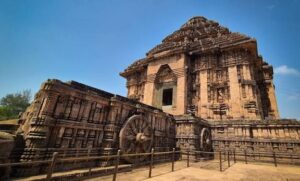
- Around 1903–1904, British engineers filled the structure with sand to prevent it from collapsing.
- Over time, this sand has settled and started putting uneven pressure on the walls, raising concerns about structural safety.
- In April 2026, ASI began controlled drilling of a passage through which the sand will be carefully removed.
The process is highly sensitive because any sudden disturbance could damage the fragile stone architecture. Officials have said that there is no fixed timeline, as safety remains the top priority.
Modern technology in restoration
The restoration work reflects a blend of heritage conservation and modern engineering:
- Use of controlled drilling techniques to avoid vibrations
- Deployment of robotic systems for safe sand extraction
- Continuous structural monitoring and assessment
- Collaboration with technical experts, including engineers and conservation specialists
These methods ensure that the temple is preserved without compromising its original structure or artistic details.
Why restoration is needed
The Konark Sun Temple, built in the 13th century by King Narasimhadeva I, is designed as a grand chariot of the Sun God Surya. Over centuries, it has suffered damage due to:
- Natural weathering and erosion
- Structural instability
- Historical invasions and neglect
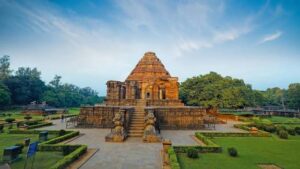
The main sanctum has already collapsed, and the Jagamohan is the largest surviving structure, making its preservation critical.
The sand that once protected the monument is now causing internal stress, making restoration essential to prevent further deterioration.
A once-in-a-century effort
What makes this restoration unique is its scale and timing:
- The sand removal is happening after more than 120 years
- It is considered one of the most complex conservation projects in India
- The work may take months to years, depending on structural conditions
Experts say this is a rare opportunity to study and restore the inner structure of the temple, which has remained sealed for generations.
Cultural and historical significance
The Konark Sun Temple is not just an architectural marvel—it represents:
- The peak of Kalinga-style temple architecture
- Intricate carvings depicting mythology, daily life, and art
- A major site of tourism, culture, and religious importance
Its preservation is crucial not only for India but for global heritage as well.
Challenges ahead
Despite careful planning, the restoration faces several challenges:
- Risk of structural damage during sand removal
- Maintaining authenticity while strengthening the structure
- Balancing tourism with conservation efforts
ASI officials have emphasized that every step is being taken cautiously, with constant monitoring to avoid any irreversible damage.
Conclusion
The restoration of the Konark Sun Temple marks a historic milestone in India’s heritage conservation efforts. By combining modern technology with traditional preservation principles, authorities aim to safeguard this architectural masterpiece for future generations.
While the process is slow and delicate, it reflects a broader commitment to protecting India’s rich cultural legacy. If successful, the project will not only stabilise the monument but also deepen our understanding of one of the greatest temples ever built.
You May Also Read: SS Rajamouli’s ‘Varanasi’ to Make Global Debut at CCXP Mexico 2026