



Digital News Guru Madhya Pradesh Desk:
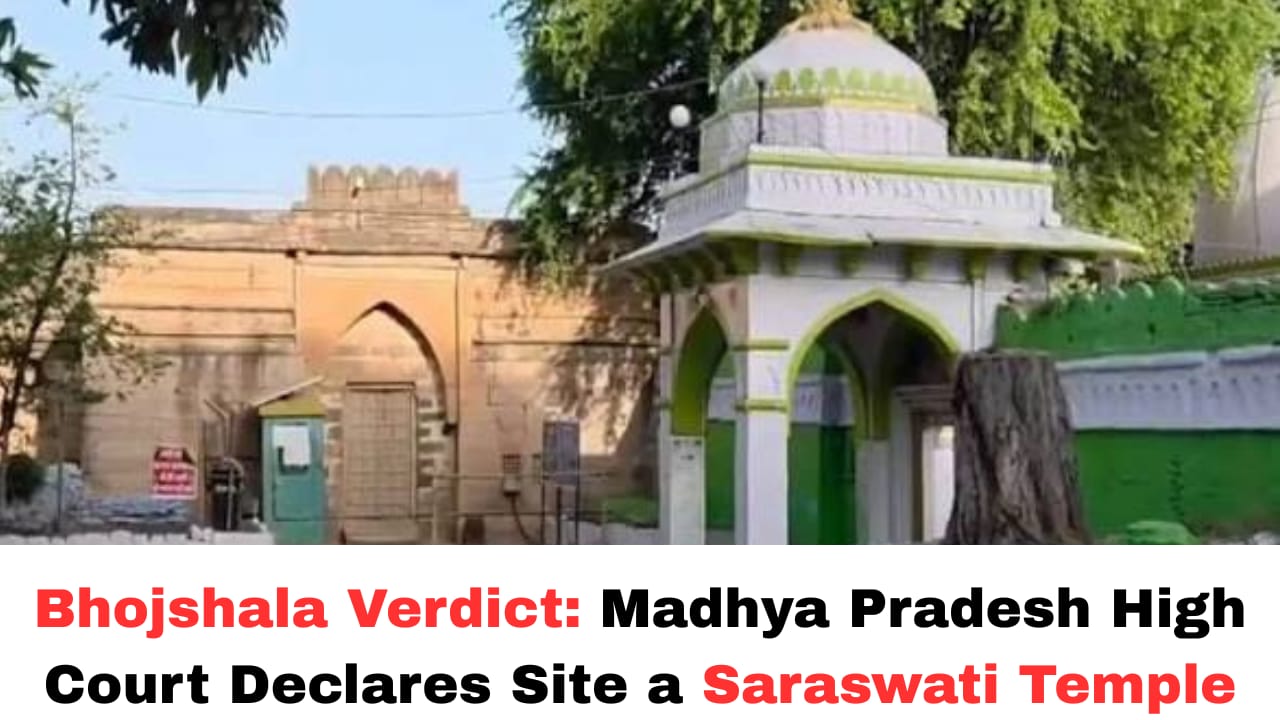
In a landmark judgment with major religious, historical, and political implications, the Madhya Pradesh High Court has declared that the disputed Bhojshala-Kamal Maula complex in Dhar is a temple dedicated to Goddess Saraswati, also known as Vagdevi. The ruling, delivered on May 15, 2026, has ended decades of legal and administrative ambiguity surrounding one of central India’s most sensitive heritage sites.
The court also quashed a 2003 Archaeological Survey of India (ASI) order that had allowed Muslims to offer namaz at the premises under a shared-use arrangement. The verdict is expected to trigger intense debate across political, legal, and social circles in India.
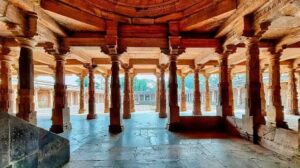
What Is Bhojshala?
Muslim groups, however, identify a section of the structure as the Kamal Maula Mosque, believed to have been established during the medieval period. Because of these competing claims, the site remained under ASI protection and operated under a shared religious arrangement for many years.
Under the earlier arrangement, Hindus were allowed to perform puja on Tuesdays, while Muslims were permitted to offer Friday prayers. Tensions frequently surfaced, especially when major Hindu festivals coincided with Fridays.
The High Court’s Key Observations
The division bench of Justices Vijay Kumar Shukla and Alok Awasthi ruled that the religious character of the disputed structure is that of a Saraswati temple. The court relied on historical records, archaeological findings, inscriptions, and literary references associated with Raja Bhoj and Sanskrit education.
According to the judgment, the continuity of Hindu worship and historical evidence established that Bhojshala functioned as a temple dedicated to Goddess Saraswati. The court observed that historical literature referred to the site as a centre of Sanskrit learning and cultural activity.
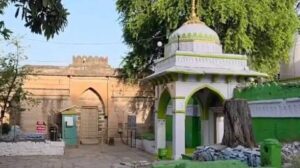
The judgment also cancelled the 2003 ASI order that had permitted Muslim prayers at the site. The court held that the earlier arrangement restricted Hindu worship rights and contributed to confusion regarding the monument’s identity.
At the same time, the court attempted to balance religious sensitivities by allowing the Muslim side to seek alternative land from the state government for constructing a mosque or prayer site in Dhar district.
ASI Survey Played Crucial Role
One of the turning points in the case came in 2024 when the High Court ordered a scientific ASI survey of the Bhojshala complex. The survey was conducted between March and June 2024 and reportedly included architectural studies, excavation work, and examination of inscriptions.
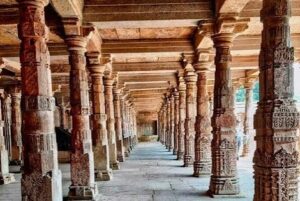
The ASI findings became central to the legal proceedings. Reports suggested that several architectural elements within the complex were linked to ancient temple structures. Some inscriptions also referred to Saraswati worship and Sanskrit educational traditions.
The Hindu side argued that these findings proved the site’s original religious identity as a temple. Muslim organizations, meanwhile, maintained that the structure had functioned as a mosque for centuries and warned against altering the status of a protected monument.
Political and Social Reactions
The verdict has generated strong reactions across the country. Hindu organizations and petitioners welcomed the decision, calling it a historic correction of the site’s identity. Several leaders described the ruling as a victory for cultural heritage and faith.
Legal experts believe the judgment could influence future disputes involving historical religious structures. Comparisons are already being drawn with earlier temple-mosque disputes that reached higher courts in India.
On the other hand, Muslim groups have expressed concern over the verdict and may challenge the ruling in the Supreme Court. Reports indicate that a caveat has already been filed by the Hindu side to ensure they are heard before any interim relief is granted by the apex court.
Authorities in Dhar and nearby areas have heightened security to prevent communal tension and maintain law and order following the judgment.
Why the Verdict Matters
The Bhojshala judgment is significant not only because of its legal implications but also because it touches upon broader questions of history, archaeology, religion, and identity in India. The case demonstrates how historical narratives and archaeological evidence continue to shape contemporary political and religious debates.
The ruling may also revive discussions around the management of protected monuments where multiple communities claim historical association. Since Bhojshala is an ASI-protected site, questions regarding worship rights, conservation, and future administration are likely to remain important in the coming months.
For now, the High Court’s decision marks a major development in one of India’s longest-running heritage disputes. Whether the matter reaches the Supreme Court or leads to a broader national debate, the Bhojshala verdict is certain to remain in focus for a long time.
You May Also Read: BRICS Foreign Ministers Gather in New Delhi Amid Rising Global Tensions