



Digital News Guru National Desk:
Amul Milk Price Hike
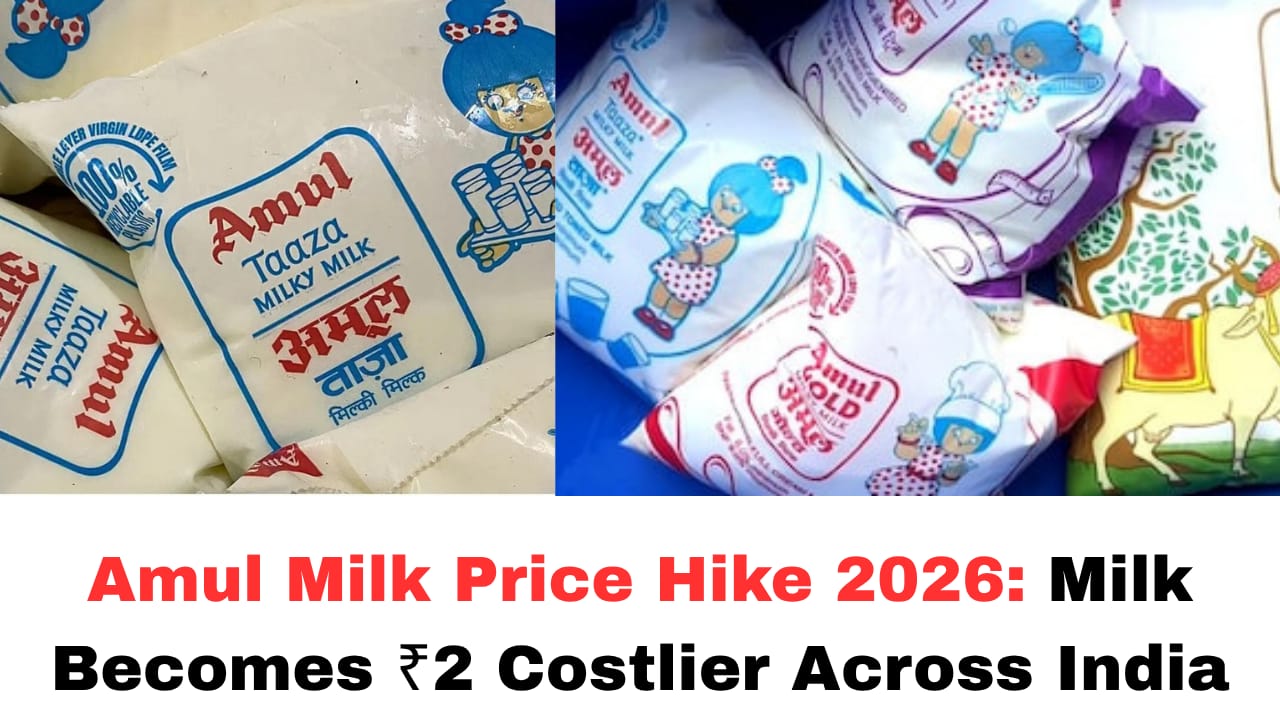
India’s largest dairy brand, Amul, has increased milk prices by Rs 2 per litre across the country from May 14, 2026. The decision has sparked concern among households already dealing with rising food and living expenses. The price hike applies to several popular milk variants sold under the Amul brand and is expected to impact millions of consumers who rely on packaged milk daily.
The Gujarat Cooperative Milk Marketing Federation (GCMMF), which markets products under the Amul brand, said the increase was necessary because of higher production and operational costs. The cooperative pointed to rising cattle feed prices, transportation expenses, packaging costs, and fuel prices as major reasons behind the revision.
New Milk Prices Effective From May 14
The latest price revision affects major fresh pouch milk variants across India. According to the revised rates, Amul Gold, Taaza, Cow Milk, and Buffalo Milk have all become more expensive. For example, Amul Gold milk now costs Rs 70 per litre instead of Rs 68, while Amul Taaza has increased from Rs 55 to Rs 57 per litre. Buffalo milk prices have also gone up significantly in several markets.
The increase translates to approximately 2.5% to 3.5% per litre. Although this may appear small on paper, it can substantially affect monthly household budgets, especially for middle-class families and small businesses such as tea stalls, sweet shops, and restaurants that consume large quantities of milk every day.
Why Amul Increased Milk Prices
GCMMF clarified that the price hike is directly linked to rising costs in the dairy supply chain. Over the past year, farmers have faced higher expenses for cattle feed and fodder. Transportation and logistics costs have also risen because of fuel price pressures. In addition, packaging materials used for milk pouches have become more expensive.
The cooperative also said that procurement prices paid to dairy farmers have increased. Amul reportedly raised farmers’ procurement rates by Rs 30 per kilogram of fat, which represents around a 3.7% increase compared to 2025 levels. The company argues that higher consumer prices are necessary to ensure fair compensation for milk producers and to encourage continued milk production.
Amul emphasized that nearly 80 paise from every rupee spent by consumers goes directly to milk producers. This cooperative model has long been one of the reasons behind Amul’s strong relationship with farmers across India.
Impact on Consumers
The milk price hike is likely to increase financial pressure on urban and middle-income households. Milk is an essential daily commodity in Indian homes, used for tea, coffee, curd, sweets, and children’s nutrition. Even a small rise in milk prices can have a noticeable impact on monthly expenses.
Experts believe the revision could also contribute to food inflation. Since milk is a raw material for many products including paneer, butter, sweets, curd, and ice cream, prices of related dairy items may also rise in the coming weeks. Small eateries and local food businesses may either absorb the increased cost or pass it on to consumers through higher menu prices.
The timing of the increase is also significant because households are already coping with elevated prices of vegetables, cooking gas, and other essential goods. As a result, the milk price hike has triggered fresh concerns over inflation and the cost of living in India.
Mother Dairy Also Raises Prices
Soon after Amul’s announcement, Mother Dairy also increased milk prices by Rs 2 per litre across several variants. The company stated that the revision was necessary because procurement costs had increased by nearly 6% over the past year.
The simultaneous price increase by two major dairy brands indicates broader cost pressures across India’s dairy industry. Analysts say this may encourage other regional dairy companies to revise prices as well in the coming months.
Dairy Industry and Market Reaction
Interestingly, dairy company stocks reacted positively after the announcement. Shares of several dairy-related firms reportedly gained in the stock market as investors expected improved profit margins following the price revision.
Amul remains one of the strongest dairy brands in India and recently crossed the Rs 1 lakh crore turnover milestone. The cooperative continues to expand both domestically and internationally while maintaining its farmer-owned business model.
Conclusion
The Rs 2 per litre milk price hike by Amul reflects the growing cost pressures within India’s dairy sector. Rising expenses related to cattle feed, fuel, transportation, and packaging have forced dairy companies to revise prices after nearly a year. While the move may help farmers receive better returns, it is expected to place an additional burden on consumers already struggling with inflation.
As milk remains a basic necessity in Indian households, the latest increase highlights the broader challenge of balancing farmer welfare with affordable food prices for consumers. The coming months will reveal whether this price hike stabilizes the dairy industry or leads to further increases in food costs across the country.
You May Also Read: Delhi Makes 100 GSM Green Nets Mandatory at Construction Sites to Curb Dust Pollution