


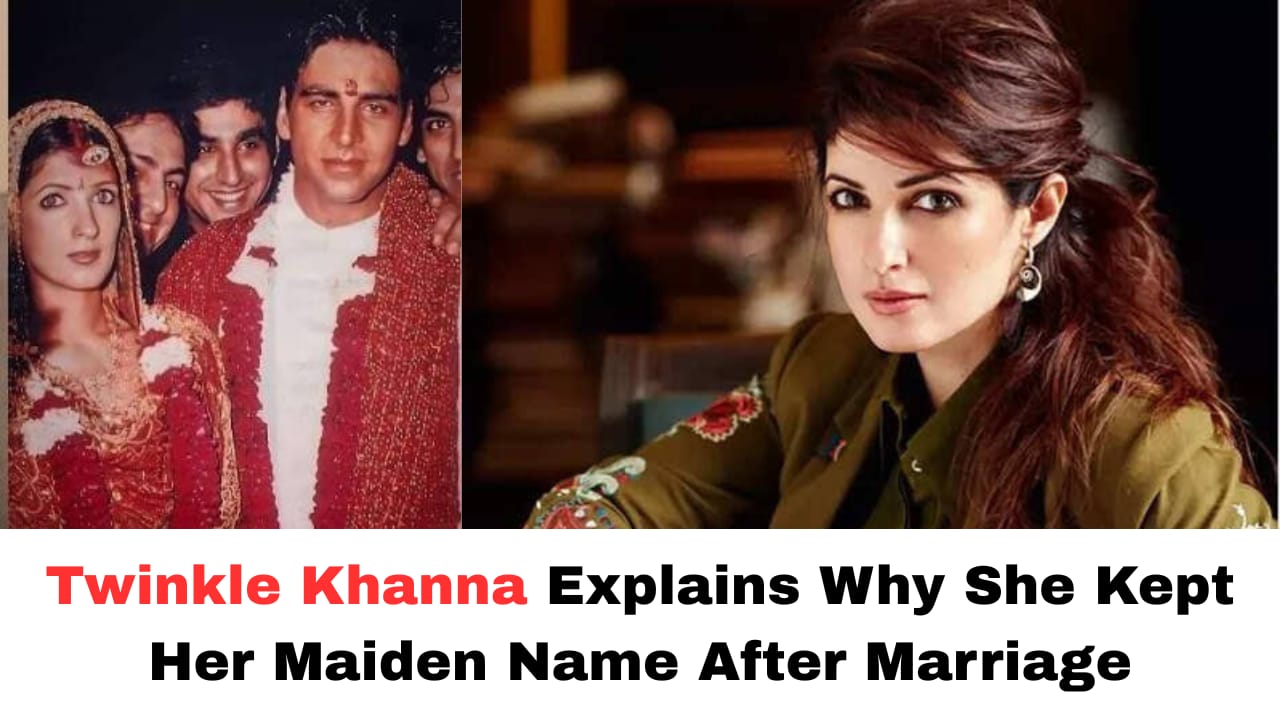

Digital News Guru Lifestyle Desk:
Twinkle Khanna on Identity, Marriage and Choosing Her Own Name
In a culture where changing one’s surname after marriage is often seen as a traditional norm, Bollywood personality Twinkle Khanna has once again sparked discussion by explaining why she never adopted her husband Akshay Kumar’s last name after marriage. Her comments — shared in a recent interview — underscore not just personal preference, but deeper conversations about identity, gender expectations and cultural norms in India’s entertainment and social landscape.
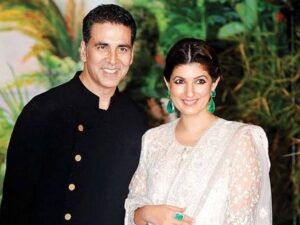
Twinkle Khanna — former Bollywood actress, celebrated author, columnist and producer — married actor Akshay Kumar in January 2001. The couple has since remained one of Hindi cinema’s enduring partnerships, celebrated for their personal and professional balance. Despite more than two decades of marriage and two children together, Twinkle has kept her birth surname, “Khanna,” a choice she says “never even occurred” to change after her wedding.
A Personal Choice Rooted in Self-Identity
In explaining her decision, Twinkle said she simply never felt the urge to replace her surname with “Kumar,” the way many women traditionally do after marriage. In interviews and public conversations, she has emphasized that her name — Khanna — was an important part of her personal and family identity and not something she felt pressured to alter. What’s significant is that, for Twinkle, this decision was not a deliberate protest against tradition, but rather a natural expression of her comfort with her own name and identity.
Twinkle has also pointed out that her upbringing played a crucial role in shaping her views. She grew up in an environment where women were treated with equality and did not feel the weight of rigid patriarchal expectations — so much so that she didn’t fully grasp the concept of patriarchy until her 30s. This candid reflection resonates with many women who feel that identity is not something that should be subsumed under marriage alone.
She shared anecdotes of family gatherings where relatives would jokingly question why she and her sister retained their maiden names, to which her response was often light-hearted reminders of who they were. In her words, “I like Khanna,” a sentiment that struck many as both personal and empowering.
Marriage, Identity and Patriarchal Norms
Twinkle’s explanation has resonated with a larger social conversation about gender dynamics and identity. In India, as in many other cultures, it is commonly expected that a woman will adopt her husband’s last name after marriage — a norm tied to patriarchal traditions that see surname as a marker of a woman’s move from her father’s household to her husband’s. Twinkle’s choice to keep her maiden name challenges this expectation not out of rebellion, but as an assertion of personal identity beyond marital status.
Her comments arrive amidst broader debates in Indian society about women’s autonomy, individuality and choices. They highlight a shift — especially among urban and educated demographics — where retaining one’s maiden name is seen as a valid expression of selfhood rather than a statement against tradition.
Importantly, while Twinkle acknowledges that many Indian women do feel societal pressure to change their surnames after marriage, she also notes that she was fortunate to have grown up without that kind of pressure, thanks to her family’s support and values.
Reflections on Career, Gender Bias and Industry Realities
Beyond her surname, Twinkle has also spoken frankly about gender bias and inequality she observed in her early acting career — experiences that informed her broader perspective on life and identity. She recounted how male actors might be treated differently for lateness or other behaviour on set, whereas she felt held to a stricter standard early in her career. Though she initially brushed off these instances, she later recognized them as part of the larger issue of gender-based bias in the entertainment industry.
These reflections are significant because they demonstrate how Twinkle’s views on identity — her own and women’s roles — were shaped not in isolated moments but through lived experiences across different phases of her life: as an actress, a writer, and a public figure unafraid to speak her mind.

Conclusion: A Personal Choice with Wider Resonance
Twinkle Khanna’s explanation for keeping her maiden name after marrying Akshay Kumar is more than just a celebrity tidbit — it encapsulates a broader cultural shift in India’s perspective on marriage, identity and gender roles. Her candid reflections underscore that decisions around names — seemingly simple on the surface — are deeply intertwined with self-perception, societal expectations and individual agency.
In a world where tradition and modernity often collide, Twinkle’s choice stands as a reminder that identity is personal and that choices about what to carry forward — whether a name, a career or an outlook on life — are ultimately up to the individual. As her interview continues to be shared and discussed, it invites deeper reflection on how identity and tradition coexist in contemporary India.
You May Also Read: IndiGo Flight Disruptions: Government Steps In, Airline Offers Rs 10,000 Vouchers to Affected Passengers