



Digital News Guru West Bengal Desk:
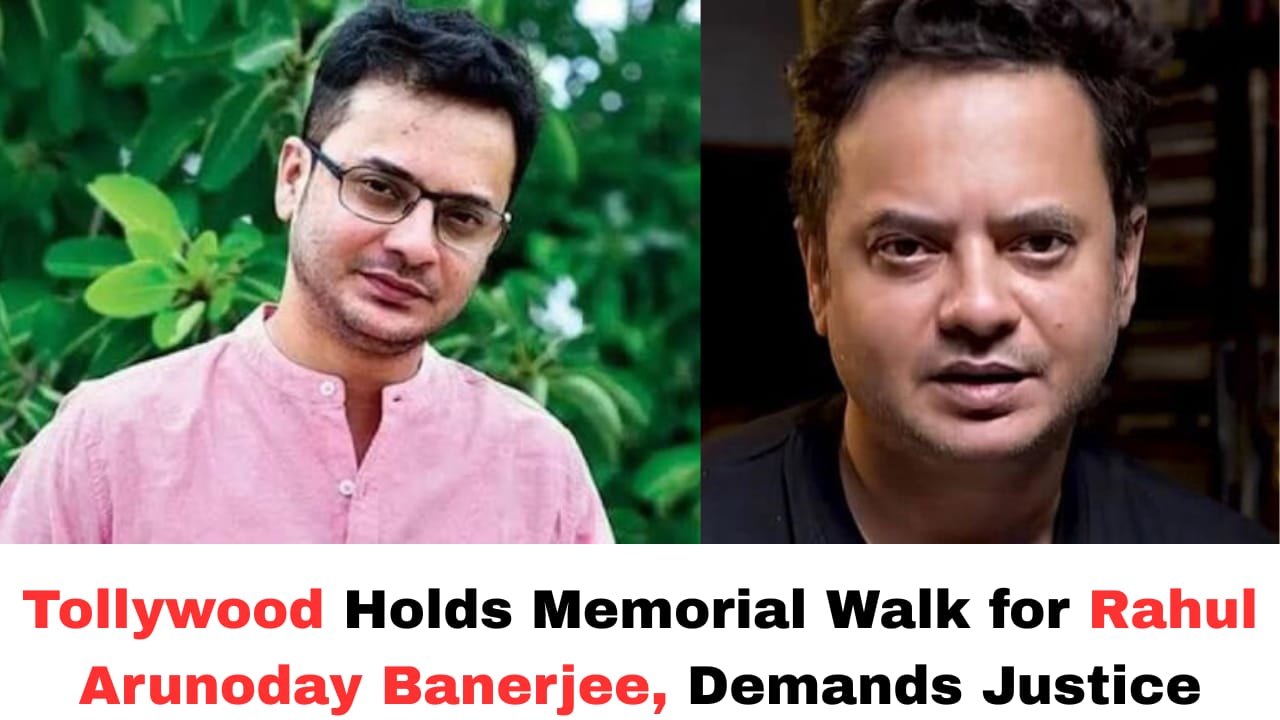
The Bengali film industry, widely known as Tollywood, witnessed an emotional and powerful show of unity as artists, technicians, and filmmakers came together to organize a memorial walk in honor of late actor Rahul Arunoday Banerjee. What began as a tribute to a beloved performer soon transformed into a strong collective demand for accountability, safety reforms, and justice.
A Tragic Loss That Shook the Industry
Rahul Arunoday Banerjee, a prominent figure in Bengali cinema and television, tragically passed away on March 29, 2026, at the age of 43. The actor reportedly drowned while shooting near Talsari beach, close to Digha, during a television project.
His sudden and unexpected death sent shockwaves across the entertainment industry. Known for his versatility and emotional depth, Rahul had built a strong connection with audiences through films, television serials, and theatre. His demise not only left fans mourning but also raised serious concerns about the working conditions faced by artists during shoots.

Memorial walk for actor Rahul Arunoday Banerjee
On April 4, members of the Tollywood fraternity organized a memorial walk in Kolkata to honor the late actor. The march began at Technicians’ Studio and concluded at Radha Studio, bringing together a wide spectrum of industry professionals—including actors, directors, writers, and crew members.
The walk was not merely symbolic. It served as a platform for the industry to collectively express grief while also demanding answers. Participants emphasized that the event was both a tribute to Rahul’s life and a protest against the circumstances surrounding his death.
Film bodies and associations, including the Eastern India Motion Picture Association (EIMPA) and the Federation of Cine Technicians and Workers of Eastern India (FCTWEI), were urged to take immediate action and ensure accountability.
Demand for Investigation and Accountability
One of the central demands raised during the memorial walk was a thorough and transparent investigation into the incident. Industry members suspect that there may have been lapses in safety arrangements during the shoot.
Several voices within Tollywood have pointed out that outdoor shoots, especially in risky locations like beaches, require strict safety measures. These include:
- Presence of trained lifeguards
- Emergency medical support
- Proper risk assessment before filming
The absence or inadequacy of such precautions has been cited as a possible contributing factor in Rahul’s death.
Associations and artists have also called for fair compensation for the actor’s family, highlighting the need to support those left behind after such tragedies.
Spotlight on Safety in Film Industry
Rahul’s death has reignited a long-standing debate about safety standards in the Indian entertainment industry, particularly in regional cinema. Reports suggest that many production units, especially smaller ones, often operate with limited budgets and may compromise on safety infrastructure.
Locations like Talsari beach, though visually appealing, are known for unpredictable tides and lack of adequate emergency facilities. The incident has exposed the risks faced by actors and crew members who often work in challenging environments without sufficient protection.
Industry experts argue that there is an urgent need to establish standardized safety protocols across all film industries in India. These protocols should be mandatory and strictly enforced to prevent similar incidents in the future.
A Unified Industry Response
The memorial walk saw participation from several prominent figures in the Bengali film industry, reflecting the widespread impact of Rahul’s death. Many filmmakers and actors expressed their support for the cause, stressing that the movement is apolitical and focused solely on justice and reform.
Organizers even appealed for a temporary suspension of shooting activities to allow maximum participation, underlining the seriousness of the issue.
This unity within the industry is being seen as a significant step toward addressing systemic issues that have long been overlooked.
Emotional Tributes and Legacy
Beyond the calls for reform, the event was deeply emotional. Colleagues, friends, and fans paid heartfelt tributes to Rahul Arunoday Banerjee, remembering him as a talented actor and a compassionate individual.
He was widely appreciated for his performances and had carved a niche for himself in Bengali cinema. From his breakthrough roles to his later work in television and digital platforms, Rahul’s journey reflected dedication and artistic passion.
His untimely death has been described as a “wake-up call” for the industry—an urgent reminder that behind the glamour of cinema lies a workforce that often operates under risky conditions.
A Turning Point for Tollywood?
The memorial walk may mark a turning point for the Bengali film industry. By coming together to demand justice, Tollywood has sent a strong message that safety and accountability can no longer be ignored.
If the demands raised by the industry are acted upon, this tragedy could lead to:
- Improved safety regulations
- Better working conditions for artists and crew
- Greater accountability for production houses
Conclusion
The memorial walk for Rahul Arunoday Banerjee was more than a tribute—it was a collective voice of an industry seeking change. While the grief of losing a talented actor remains profound, the determination to prevent such incidents in the future is equally strong.
As investigations continue, all eyes are now on authorities and industry bodies to take meaningful action. Rahul’s legacy, it seems, may not only live on through his work but also through the reforms his tragic death inspires.
In the end, the message from Tollywood is clear: no life should be lost in the pursuit of entertainment, and no tragedy should go unanswered.
You May Also Read: Allahabad High Court pulls up UP Police over FIR “honorific” issue