



Digital News Guru National Desk:
India’s Nationwide Mobile Disaster Alert System
In a significant step toward strengthening disaster preparedness, India has rolled out a nationwide mobile disaster alert system designed to deliver real-time emergency warnings directly to citizens’ phones. The initiative marks a major advancement in the country’s ability to respond swiftly to natural and man-made disasters, leveraging modern communication technology to save lives and reduce damage.
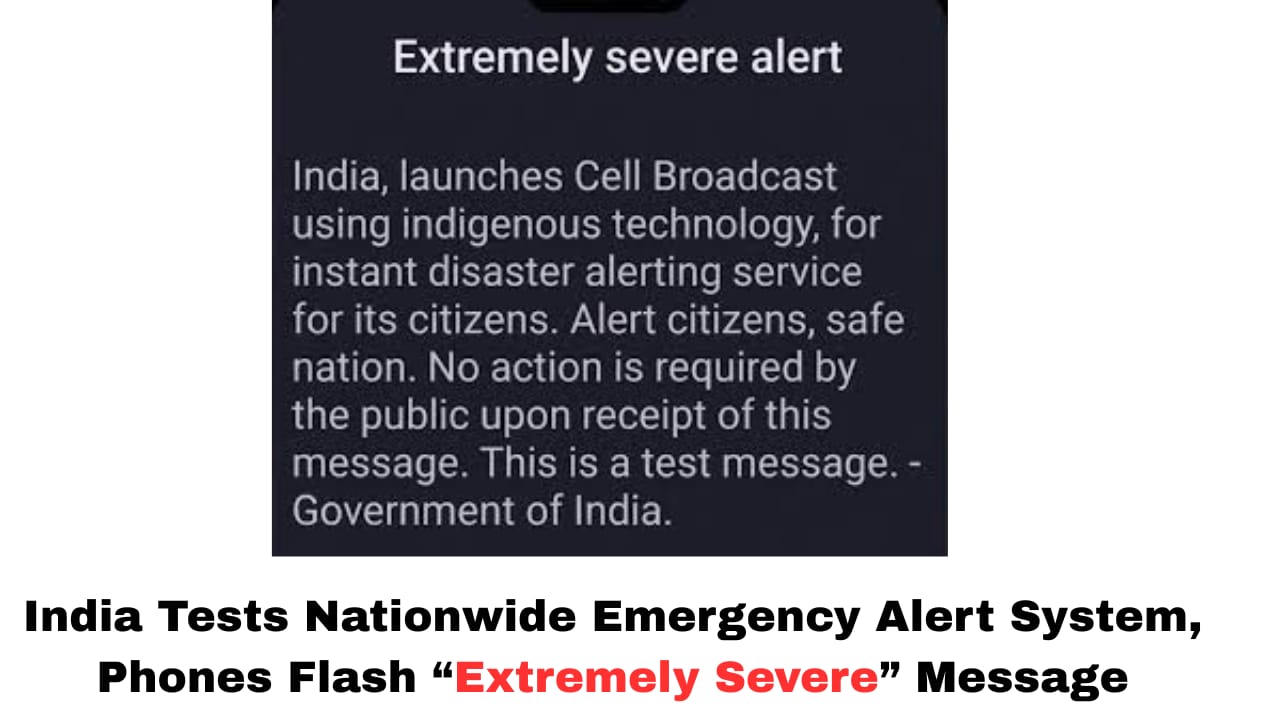
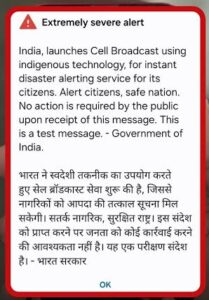
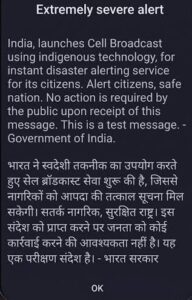
On May 2, 2026, millions of mobile users across the country experienced this system firsthand when their phones emitted a loud alarm accompanied by a message labeled “Extremely Severe.” While the sudden alert caused brief confusion and concern among the public, authorities quickly clarified that it was only a nationwide test of the new emergency alert mechanism.
How the System Works
The newly implemented system is based on Cell Broadcast Technology, a method fundamentally different from traditional SMS messaging. Unlike SMS, which sends messages individually to phone numbers, cell broadcasting allows telecom towers to transmit a single alert simultaneously to all devices within a specific geographic area. This ensures that warnings are delivered instantly, even during network congestion or emergencies when communication systems are often overloaded.
The alerts are designed to be highly noticeable. They can override silent mode, produce loud sounds, and display prominent on-screen messages, ensuring that users cannot miss critical warnings. During the recent test, many users reported a loud beep lasting several seconds along with a pop-up notification on their screens.
Importantly, the system does not require users to install any application or subscribe to any service. As long as a mobile device is compatible and connected to a cellular network, it can receive these alerts automatically.
Indigenous Development and Nationwide Reach
The disaster alert system has been developed using indigenous technology, reflecting India’s push toward self-reliance in critical infrastructure. It is part of a broader initiative led by the government in collaboration with agencies such as the National Disaster Management Authority (NDMA) and the Department of Telecommunications.
The backbone of the system is the Integrated Alert System (SACHET), which operates across all states and union territories. It uses geo-targeting to send alerts to specific regions that may be affected by a disaster, ensuring precise and relevant communication.
Authorities have also ensured that the system supports multiple languages, making it accessible to India’s diverse population. This is crucial in a country where linguistic diversity can otherwise pose challenges in emergency communication.
Purpose and Importance
The primary goal of the mobile disaster alert system is to provide early warnings during emergencies, such as earthquakes, floods, cyclones, lightning strikes, industrial accidents, or even security threats. By delivering alerts in real time, the system gives people valuable time to take precautionary measures, evacuate if necessary, and avoid dangerous situations.
Experts emphasize that timely information can significantly reduce casualties and economic losses during disasters. Traditional methods of communication—such as television, radio, or SMS—often suffer from delays or limited reach. In contrast, the new system ensures that warnings are instantaneous, direct, and wide-reaching.
The recent nationwide test was conducted to evaluate the system’s efficiency, coverage, and reliability. It allowed authorities to identify potential gaps, such as areas where alerts were not received, and improve the system before it is used in real emergency situations.
Public Reaction and Awareness
The sudden arrival of the “Extremely Severe” alert caught many citizens off guard. In public places, multiple phones ringing simultaneously created confusion, with some people initially fearing an actual emergency. However, officials had previously informed that such tests would be conducted and reassured citizens that no action was required upon receiving the message.
This reaction highlights an important aspect of disaster management: public awareness and preparedness. While the technology itself is advanced, its effectiveness depends on how well people understand and respond to these alerts. Regular testing and awareness campaigns will play a key role in ensuring that citizens recognize the alerts and act appropriately when real emergencies occur.
A Step Toward a Safer Future
India is one of the most disaster-prone countries in the world, facing frequent floods, cyclones, earthquakes, and extreme weather events. In this context, the introduction of a robust, technology-driven alert system represents a crucial step toward building a more resilient nation.
The government’s initiative demonstrates a commitment to leveraging digital infrastructure for public safety. By combining speed, reach, and reliability, the mobile disaster alert system has the potential to transform how India responds to crises.
Moreover, the use of globally recognized standards such as the Common Alerting Protocol (CAP) ensures that the system aligns with international best practices. This not only enhances its effectiveness but also opens possibilities for integration with global disaster management frameworks.
Conclusion
The rollout of India’s nationwide mobile disaster alert system is a landmark development in emergency management. By enabling instant, location-specific communication, it addresses one of the most critical challenges during disasters—timely dissemination of information.
While the recent alerts were only part of a test, they offered a glimpse into a future where citizens can receive life-saving warnings within seconds. As the system continues to evolve and improve, it is expected to play a vital role in safeguarding lives, minimizing losses, and strengthening India’s overall disaster response capabilities.
In an era where technology is increasingly shaping governance and public services, this initiative stands out as a powerful example of how innovation can be harnessed for the greater good.
You May Also Read: Raghav Chadha’s Exit from AAP and Entry into BJP