



Digital News Guru Business Desk:
India–US Trade Fact Sheet Revision
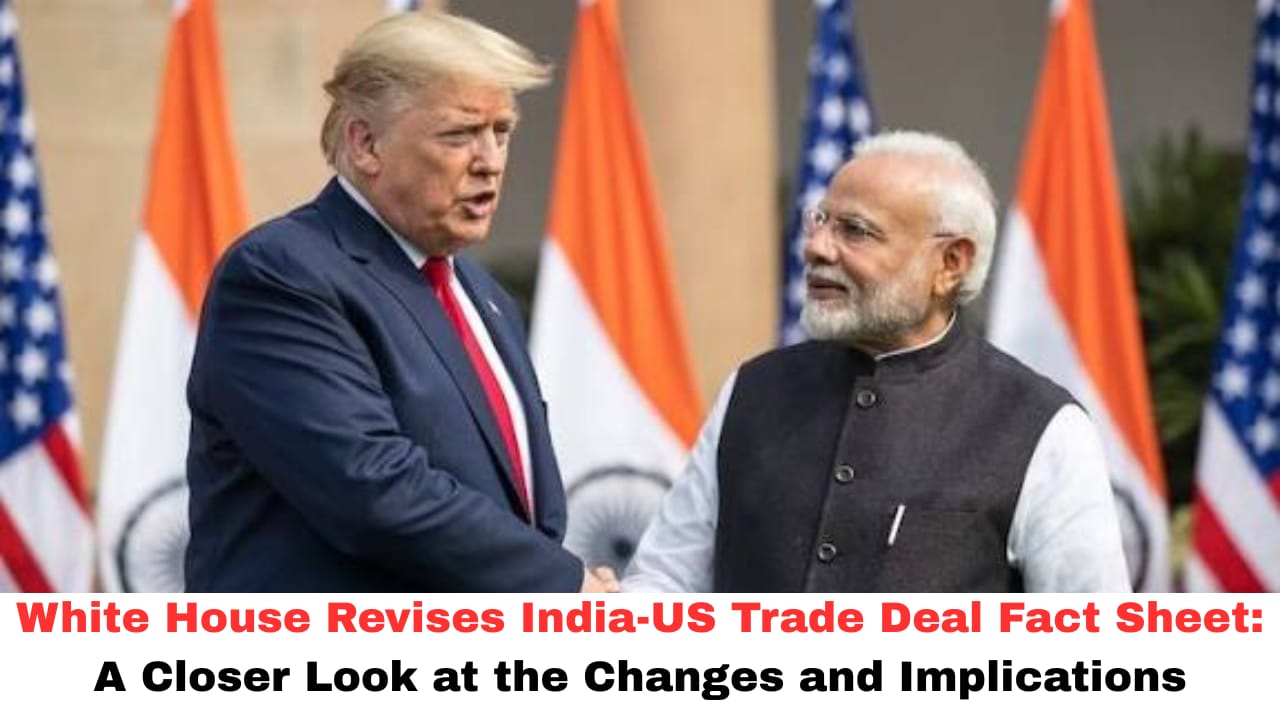
The White House quietly revised its official fact sheet on the interim trade agreement between the United States and India, generating fresh attention from policymakers, industry leaders and farmers on both sides. The update, which came less than 24 hours after the initial factsheet was published, dropped key references to pulses, modified language around India’s planned purchases of U.S. goods, and softened commitments relating to digital services taxes — aligning the public document more closely with the jointly issued trade framework and addressing concerns expressed by New Delhi.
Understanding the Interim Trade Framework
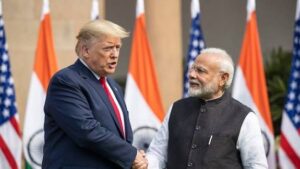
To understand the significance of the revisions, it is important to recall what the interim trade framework originally aimed to accomplish. Announced following a bilateral engagement between Prime Minister Narendra Modi and U.S. President Donald Trump, the framework is designed to reduce longstanding tariff barriers between the world’s two largest democracies and accelerate economic cooperation. It emerged after months of negotiation, particularly in the backdrop of U.S. tariff actions — including punitive duties imposed in 2025 over concerns about India’s oil purchases from Russia and broader trade flows.
Under that framework, both sides agreed to lower tariffs on a range of goods — including industrial and agricultural products — and committed to mechanisms to reduce trade frictions across sectors such as technology, digital trade, and supply chains. The goal, according to negotiators, has been to expand bilateral commerce while safeguarding sensitive sectors.
Key Revisions in the Updated Fact Sheet
The updated White House fact sheet made several substantive changes to the initial text, reflecting a recalibration of language rather than a reversal of the underlying framework:
- Removal of “Certain Pulses” from Tariff Language
In the original version, the fact sheet listed “certain pulses” — a category that includes lentils, chickpeas and other legumes — among U.S. agricultural products on which India would reduce or eliminate tariffs. However, this reference has now been removed entirely.
Pulses are a politically sensitive agricultural sector in India, the world’s largest producer and consumer of many pulse varieties. Farmers and rural constituencies reacted strongly when the initial language implied potential market opening, fearing cheaper imports could undercut domestic production. New Delhi had insisted that pulses remain protected due to food security and livelihood concerns. The revision reflects that pushback and ensures that public documentation does not overstate India’s market commitments.
- Language on the $500 Billion Purchase Plan Softened
One of the most high-profile items in the initial factsheet was the statement that India had “committed” to buying over $500 billion worth of U.S. products, including energy, technology, and coal, over the next several years. Critics in India seized on this phrasing, arguing that it suggested a binding obligation that could distort trade flows and harm domestic producers.
The updated factsheet now states that India “intends” to purchase more American products and “intends” to reach the $500 billion figure — language that three international trade experts say is less binding and more reflective of anticipated commercial patterns rather than a contractual commitment. The removal of the term “agricultural” from this purchase list also narrows the scope of items referenced.
By aligning wording with the official joint statement issued by both governments — which spoke of “intentions” rather than binding commitments — the revised factsheet avoids overstating India’s obligations and provides New Delhi more flexibility in execution.
- Digital Services Tax Language Moderated
Another notable change concerns digital trade. The earlier version said that India “will remove its digital services taxes” and negotiate a broad regime of bilateral digital trade rules. The updated version does not explicitly say that India will remove digital service taxes; instead, it states that both sides have committed to negotiate digital trade rules addressing non-tariff barriers.
This shift was widely expected since India had already abolished its 6% equalisation levy on digital advertising services in April 2025 — nearly a year before the interim trade framework was announced. The updated language therefore simply reflects existing policy rather than suggesting new concessions.
Why These Changes Matter
The revisions carry significant political, diplomatic, and economic implications:
- For India’s domestic constituencies, especially farmers, the removal of pulses from tariff reduction language alleviates fears of sudden market disruption and potential livelihood threats. Given pulses’ importance in Indian diets and rural economies, this is more than a symbolic omission.
- In diplomatic terms, aligning the fact sheet with the joint statement underscores the importance both sides place on consistency in public communication. Washington’s decision to adjust the document suggests responsiveness to concerns raised by Indian officials, reinforcing mutual respect in the negotiation process.
- From a trade perspective, softening obligations into intentions is significant. Intentions signal aspirational goals based on market dynamics rather than enforceable commitments that could expose India to legal challenges or political fallout if targets are missed.
- On digital trade, continued negotiation rather than automatic removal of taxes suggests a more nuanced approach to modern commerce issues, reflecting recognition that digital trade frameworks require detailed bilateral cooperation beyond tariff adjustments.
Broader Impact and Outlook
Economists and policy analysts say the revisions are part of an ongoing calibration as both countries gear up for a formal trade agreement expected by mid-March 2026. The interim framework represents a stepping-stone toward a deeper, legally enforceable pact. Future negotiations will likely wrestle with services, investment protections, intellectual property, and regulatory cooperation — areas where India and the U.S. have both shared interests and sharp differences.
While U.S. officials emphasise the potential for billions of dollars in increased trade, Indian authorities are under pressure to balance openness with protection for domestic industries and political constituencies. The revised fact sheet reflects this complex task — steering a middle path between signalling ambition and managing realistic expectations.
In conclusion, the White House’s revision of the India–US trade fact sheet is more than a semantic exercise: it is a reflection of the nuanced diplomacy and strategic adjustment required in one of the world’s most consequential bilateral economic relationships. As negotiations continue, both sides will need to maintain careful communication — in public documents and policy actions — to ensure that the benefits of deeper trade ties are realised without creating unnecessary controversy at home or abroad.
You May Also Read: Do Deewane Seher Mein: An Imperfect Love Story Set to Capture Hearts This Valentine’s Week