



Digital News Guru International Desk:
PM Modi in Ethiopia
Prime Minister Narendra Modi’s official visit to Ethiopia on 16–17 December 2025 has marked a watershed moment in the diplomatic history of India-Africa relations, elevating ties between the two ancient civilizations to the level of a Strategic Partnership. The trip, part of a broader three-nation tour that also included Jordan and Oman, underscores India’s expanding engagement with Africa and the Global South, with deep implications for trade, development, culture, and global governance.
A Warm Welcome and Historic Firsts
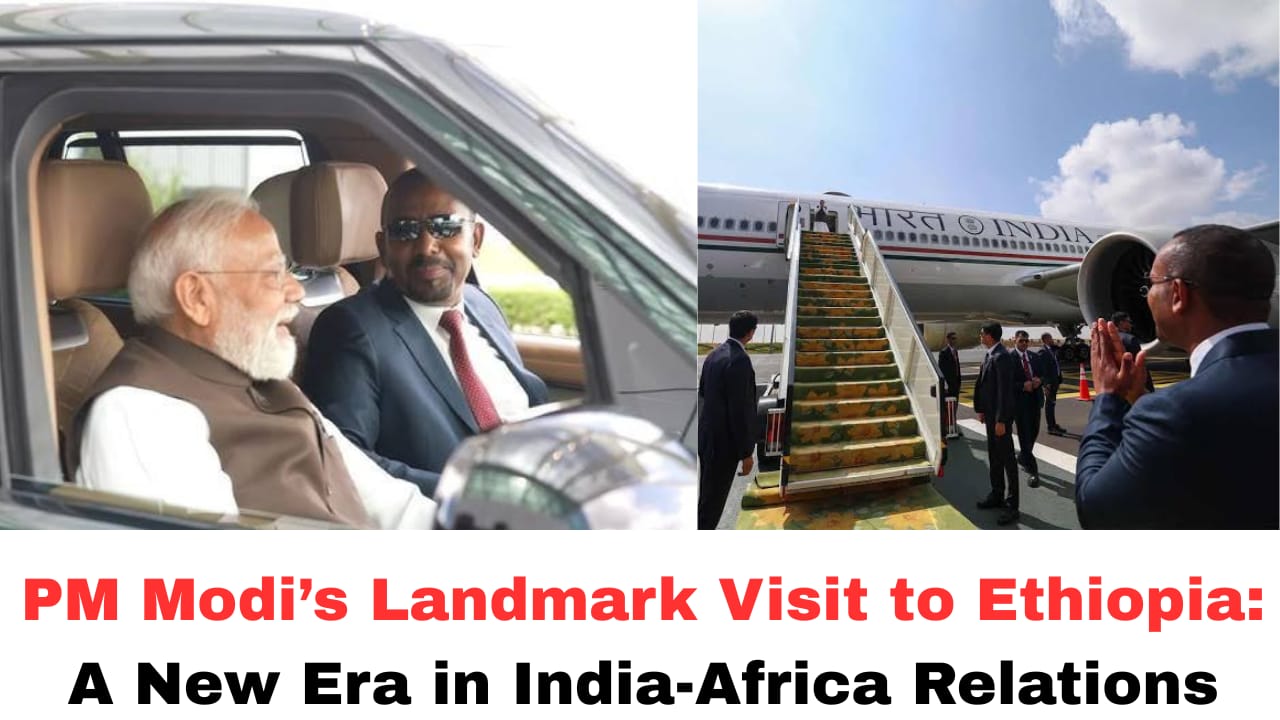
Modi’s arrival in Addis Ababa was greeted with a ceremonial reception by Ethiopian Prime Minister Dr. Abiy Ahmed Ali, reflecting a mutual respect rooted in historical ties and contemporary strategic interests. This was Modi’s first bilateral visit to Ethiopia, and it set a positive tone for the high-level engagements that followed.
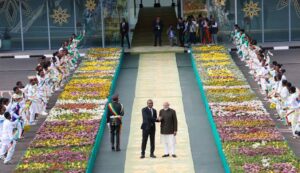
One of the most heartfelt moments of the visit was when Dr. Abiy Ahmed presented Modi with Ethiopia’s highest civilian honour — the Great Honor Nishan of Ethiopia. Modi became the first global leader to receive this prestigious award, recognising his contributions to strengthening bilateral ties and his leadership on the global stage. Modi accepted the honor with humility and gratitude, dedicating it to all those who have nurtured the India-Ethiopia partnership over generations.
Strategic Partnership: Agreements and Cooperation
At the core of this visit was the formal elevation of India-Ethiopia relations to a Strategic Partnership — a diplomatic upgrade that reflects shared priorities and a long-term vision for cooperation. Leaders from both countries engaged in extensive bilateral talks, reviewing multifaceted cooperation that now spans economic, technological, educational, and security sectors.
Several Memorandums of Understanding (MoUs) were signed during the visit. Key highlights include:
- Establishment of a Data Centre at the Ethiopian Ministry of Foreign Affairs, a step toward deepening Ethiopia’s digital infrastructure.
- Cooperation in UN Peacekeeping Operations Training, which aligns with both nations’ commitments to international peace and stability.
- An agreement on Mutual Administrative Assistance in Customs Matters, enhancing trade facilitation.
- A pact on debt restructuring under the G20 Common Framework, showcasing pragmatic economic cooperation.
The partnership also includes expanded educational exchanges, with the Indian Council for Cultural Relations (ICCR) doubling scholarships for Ethiopian students and launching specialised artificial intelligence courses under the Indian Technical and Economic Cooperation (ITEC) programme. These initiatives aim to build human capital and foster youth-to-youth engagement.

Focus Areas: Development, Health, Food Security, and DPI
During discussions, Modi and Dr. Abiy emphasised three key cooperation pillars that will shape the future of bilateral engagement: food and health security, capacity building, and Digital Public Infrastructure (DPI). Modi highlighted that joint efforts in sustainable agriculture, natural farming and agri-tech could significantly improve food security outcomes in Ethiopia.
In the health sector, India pledged support for upgrading Addis Ababa’s Mahatma Gandhi Hospital, with a focus on maternal and neonatal care. This reflects India’s growing role as a healthcare partner for many African nations, particularly in areas where capacity building remains a priority.
The DPI collaboration has potential to transform service delivery and economic opportunities by linking digital innovation with inclusive growth — a model that India has showcased domestically through its own digital infrastructure initiatives.
Address to Ethiopian Parliament: Shared Vision and Civilisational Ties
A defining moment of Modi’s visit was his address to a joint session of the Ethiopian Parliament — making it the 18th national legislature he has addressed worldwide. Modi spoke passionately about the historic and civilisational links connecting India and Ethiopia, drawing parallels in cultural ethos, values, and democratic aspirations.
In his speech, Modi described the two countries as “natural partners in regional peace, security, and connectivity”, reflecting the trust and cooperation that have evolved over decades. He reiterated India’s respect for Ethiopia’s ancient heritage and its modern aspirations, noting how both nations strive for equitable development, peaceful coexistence, and collaborative success on the global stage.
Modi’s remarks drew a rousing response from the Ethiopian lawmakers, signifying a shared commitment to deepening bilateral engagement. He also highlighted how India had supported Ethiopia during past crises, including through medical supplies and vaccines during the COVID-19 pandemic — a gesture that underscored India’s solidarity with developing nations.
Cultural Diplomacy and Symbolic Gestures
Beyond diplomatic negotiations and agreements, the visit featured moments of cultural resonance that underscored the warmth between the two nations. At a state banquet hosted by Dr. Abiy in Modi’s honor, Ethiopian musicians performed “Vande Mataram” — India’s national song — in a display of mutual respect and cultural appreciation.
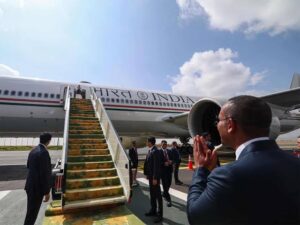
In another striking symbol of diplomatic warmth, Dr. Abiy Ahmed personally accompanied Modi to the airport at the conclusion of the Ethiopia leg of the tour — a rare gesture in international protocol, interpreted by observers as a powerful sign of personal respect and strong bilateral ties.
The Strategic Importance of India-Ethiopia Relations
India’s outreach to Ethiopia aligns with its broader vision of strengthening ties with the Global South, balancing geopolitical interests, and promoting South-South cooperation. Ethiopia’s growing role as a member of the BRICS forum and its strategic position in East Africa make it an important partner not only for India but for global development alliances.
By elevating their relationship to a strategic partnership, India and Ethiopia have laid the groundwork for a deeper, more resilient, and multifaceted collaboration — one that transcends transactional diplomacy and seeks to foster shared prosperity, peace, and progress for both societies.
You May Also Read: Bunty Sajdeh Ends Collaboration with Dharma, Launches New Talent Venture CXA