



Digital News Guru Uttar Pradesh Desk:
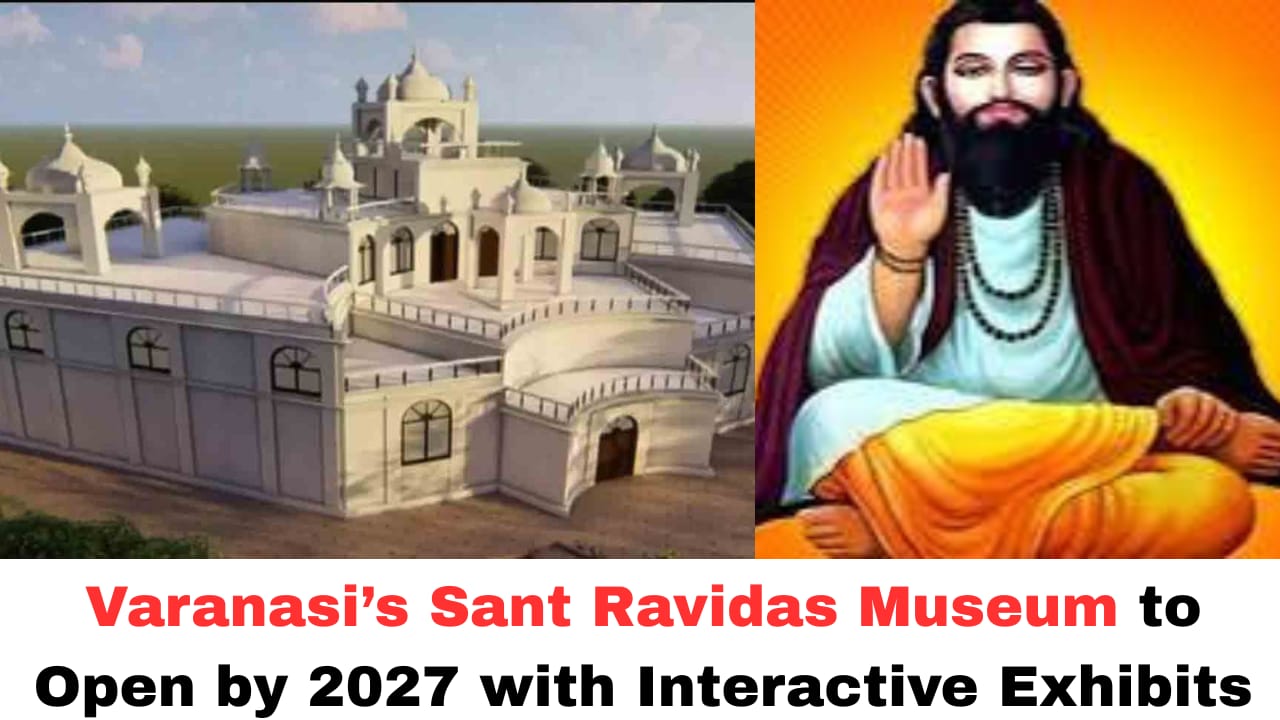
New Sant Ravidas Museum Takes Shape in Varanasi
A major cultural and heritage initiative is underway in Varanasi, Uttar Pradesh, where a state-of-the-art museum dedicated to Sant Shiromani Ravidas is being constructed in his birthplace at Seer Govardhanpur. The project — driven by the Uttar Pradesh government — aims not only to preserve and celebrate the life, teachings, and philosophy of the revered medieval saint but also to educate future generations through modern, interactive exhibits.
Honouring a Spiritual Icon
Sant Ravidas — a 15th-century Bhakti movement saint, poet, and social reformer — is a towering figure in Indian spiritual and cultural history. He is widely remembered for his teachings on equality, human dignity, devotion, and social harmony that transcended caste barriers. His hymns and poetry continue to inspire millions across India and abroad, particularly among Dalit, Ad-Dharm, and Ravidasia communities. The museum project reflects an effort to bring his teachings into the contemporary public consciousness in an engaging and accessible way.
Seer Govardhanpur — a census town in Varanasi district — is known as Ravidas’s birthplace and has long been a pilgrimage centre, attracting devotees especially during Guru Ravidas Jayanti celebrations. The area also houses the Shri Guru Ravidass Janam Asthan temple, an important spiritual site for followers worldwide.
Modern Vision Meets Historical Legacy
The Sant Ravidas Museum, designed as a G+1 (ground plus one floor) facility, is being built on approximately 1,645 square metres of land at a cost of around Rs 23.2 crore (Rs 2,320.73 lakh). The facility is expected to be completed by February 2027.
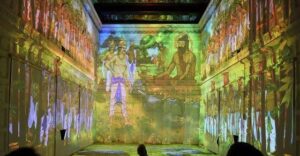
Government officials and project planners are keen to make the museum a cultural landmark rather than just a static display of artifacts. To achieve this, the museum will employ cutting-edge digital technologies, graphics, and audio-visual presentations to vividly portray Ravidas’s life journey, spiritual philosophy, literary works, and social contributions: from his humble beginnings and household life to his deep influence on the Bhakti movement of the 15th and 16th centuries.
Interactive Experience for Visitors
According to project manager Manvendra Singh of the UP Projects Corporation Ltd (Varanasi), the museum will be divided into five large themed galleries, each dedicated to distinct phases or aspects of Ravidas’s life and legacy. Visitors will find digital images, motion pictures, and interactive displays that bring to life the saint’s teachings and his social message in ways that resonate with both young and older audiences.
These galleries are designed to explore:
- Birth and early life of Sant Ravidas
- His spiritual journey and poetic contributions
- His impact on the Bhakti movement and the socio-cultural environment of his times
- His core teachings on devotion, equality, and social upliftment
- Lesser-known aspects of his personal and philosophical evolution.
By leveraging modern exhibit techniques, museum curators hope to make the saint’s life and thought accessible and relatable to a global audience, thereby bridging tradition with contemporary learning styles.
Amenities & Visitor Services
Beyond the exhibition galleries, the museum complex has been envisioned as an integrated cultural space with additional amenities to support visitors:
- Administrative offices to manage the museum’s operations
- Cafeteria and refreshment zones for tourists and pilgrims
- Souvenir shop offering books, artefacts, and memorabilia related to Sant Ravidas
- Comfortable seating areas and rest spaces for families and school groups
- Landscaped surrounds to enhance the aesthetic appeal of the site.
These thoughtful additions aim to make the museum not just a place of learning but also a welcoming destination for pilgrims, history enthusiasts, cultural tourists, and local residents alike.
Promoting Cultural Tourism & Education
The museum’s construction is seen as part of a broader uptick in efforts to enhance Varanasi’s cultural tourism infrastructure — complementing longstanding heritage sites including the famous Ganga ghats, temples, and older pilgrimage circuits. The Sant Ravidas Museum, once completed, is expected to draw visitors from across India and the world, particularly those interested in Bhakti literature, medieval spirituality, and social reform movements.
Academic institutions, spiritual scholars, and cultural organisations are likely to use the museum as a resource for research, seminars, and educational programmes, further expanding its relevance beyond routine sightseeing. Such a museum can offer enduring learning value to students of religion, philosophy, and Indian history.

Complementing Local Heritage and Religious Significance
Varanasi’s association with Sant Ravidas is profound. It is estimated that millions of devotees visit the temple at his birthplace every year, especially during Ravidas Jayanti — a festival which also attracts political and cultural leaders from across the country. The museum provides an anchor for such annual gatherings, giving deeper context to the saint’s contributions while boosting local commerce and visitor footfall.
Over the years, development around Seer Govardhanpur has included infrastructure enhancements and beautification drives, signalling a long-term governmental focus on strengthening Varanasi’s identity as a cultural and spiritual capital.
A Legacy for Future Generations
In a fast-changing world where ancient wisdom often competes with digital distractions, the Sant Ravidas Museum stands as a deliberate effort to anchor timeless values in institutional memory. By using digital storytelling alongside traditional narratives, the project aims to ensure that Ravidas’s message of equality, compassion, and devotion continues to inspire and educate future generations.
As construction progresses toward its projected 2027 opening, residents of Varanasi and followers of Sant Ravidas around the globe are watching with anticipation — hopeful that this museum will not only preserve history but also foster a renewed appreciation for one of India’s most iconic saints and social thinkers.
You May Also Read: India vs South Africa 4th T20I in Lucknow Abandoned Amid Hazardous Smog