



Digital News Guru New Delhi Desk:
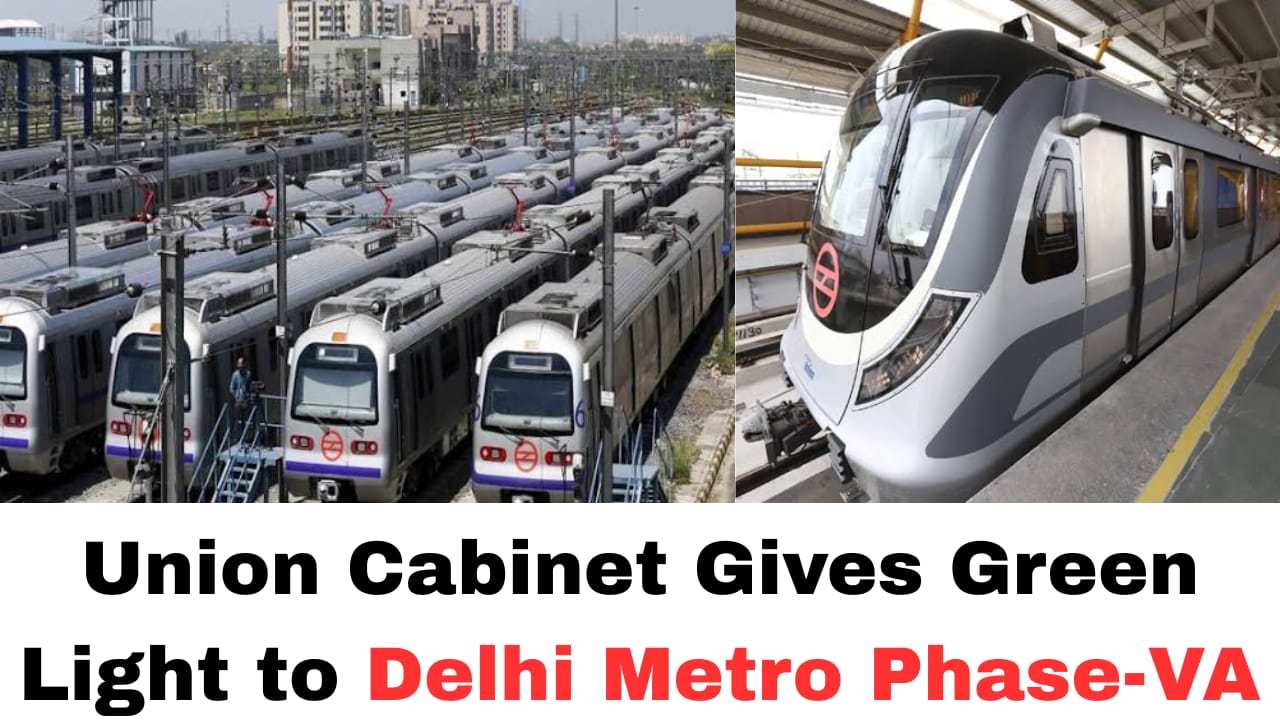
In a significant push for India’s urban transport infrastructure, the Union Cabinet chaired by Prime Minister Narendra Modi has approved the Delhi Metro Rail Project Phase-VA, a major expansion of the nation’s flagship mass rapid transit system. The decision, announced on 24 December 2025, sanctions a Rs 12,015-crore investment to extend the metro network with 13 new stations, signaling a new chapter in enhancing connectivity across the National Capital Region (NCR).
This expansion, which will be completed over the next three years, is expected to add approximately 16 kilometers of new lines, pushing the total length of the Delhi Metro network beyond 400 km — a landmark achievement in the careful planning and execution of urban mass transit projects in India.
A Strategic Expansion for a Growing City
Delhi, India’s capital, is one of the world’s fastest-growing metropolitan regions and serves as a crucial political, economic, and cultural hub. With millions of daily commuters traversing the city and its suburbs, efficient and sustainable transportation remains a top priority for policymakers. The Delhi Metro has already played a transformative role in reducing traffic congestion and pollution while offering a reliable alternative to private vehicles. The Phase-VA approval is a continuation of this long-term vision to support urban mobility for present and future generations.
Unlike previous expansion phases that focused on large segments like Phase-IV and earlier iterations of Phase-V, Phase-VA specifically targets connectors and corridors that fill critical gaps in the existing network. With 13 new stations, including a mix of underground and elevated structures, the project has been designed for optimal commuter integration and minimal surface disruption.
What This Means for Delhi Metro
According to official statements, the newly approved phase includes 10 underground stations and 3 elevated stations. This balance reflects a strategic decision to build infrastructure that suits densely populated central and fringe urban areas — preserving surface roads and reducing the need for extensive land acquisition.
Employing tunnel boring machines (TBMs) for most of the underground work, the construction is planned to minimize the impact on road traffic and city life. TBM technology has been widely used in earlier metro phases and has proven effective in navigating congested urban zones with minimal disruption.
The choice of station locations, while not fully disclosed in the initial announcement, is expected to further integrate underserved corridors into the metro grid. These new links will not only benefit daily commuters within Delhi but also enhance connectivity to satellite towns and suburbs in neighboring states such as Haryana and Uttar Pradesh.
Why Phase-VA Matters: Connectivity and Commuter Experience
The Phase-VA expansion comes at a time when the Delhi Metro network is expanding on multiple fronts. Major projects under earlier extensions — such as Phase-IV lines including the Golden Line (Aerocity-Tughlakabad), pink line extensions, and other corridors — are already in advanced stages of construction or nearing completion. These have targeted seamless integration with existing routes and improved interchange options across the sprawling network.
Once operational, the additional stations under Phase-VA will enhance last-mile connectivity and make metro access more convenient for commuters who previously depended on feeder services or private vehicles for segments of their journey. This is especially important in light of Delhi’s persistent challenges with vehicular congestion and air pollution — issues that robust public transit can help mitigate.

Experts believe these new corridors will also decongest busy arterial roads and improve travel times significantly, creating a ripple effect of benefits across the daily commute ecosystem. The metro’s integration with other modes of transport — including buses, e-rickshaws, and pedestrian pathways — is a key component of a broader urban mobility framework.
Economic and Social Impact
Infrastructure investments of this scale have far-reaching implications beyond transportation. The Phase-VA project is expected to create thousands of jobs during construction and operational phases, from engineering and project management roles to skilled and unskilled labor. Metro expansion projects traditionally spur economic activity along new corridors, often catalyzing commercial development, real estate growth, and increased business activity in previously underserved localities.
For small businesses and vendors near forthcoming stations, increased commuter footfall could translate into enhanced economic opportunities. In addition, improved mobility supports access to healthcare, education, and employment hubs, contributing to a more equitable urban experience.
Challenges and Forward Outlook
Despite the enthusiasm surrounding the Phase-VA approval, challenges remain. Metro construction in dense urban environments often encounters issues related to utility relocation, environmental clearances, and coordination with multiple agencies. Timely execution will depend on efficient project management and sustained political will across government bodies. However, India’s metro projects have a proven track record of overcoming such hurdles through technological adoption and careful planning.
Furthermore, city planners and transport experts emphasize the need to complement metro growth with enhanced last-mile connectivity solutions — such as bicycles, pedestrian infrastructure, and feeder buses — to ensure that the full benefits of expanded rail transit are realized by all segments of society.
Conclusion
The Union Cabinet’s approval of the Delhi Metro Rail Project Phase-VA marks a decisive step toward building a future-ready transit network for one of India’s most dynamic urban regions. With Rs 12,015 crore earmarked for 13 new stations and 16 km of new lines, commuters and residents can expect improved connectivity, reduced congestion, and greater access to opportunities across the National Capital Region. As construction progresses over the next few years, Delhi’s metro system continues its journey toward becoming a truly world-class transit solution — rooted in sustainability, inclusivity, and innovation.
You May Also Read: Kisan Samman Diwas in Lucknow: Yogi Adityanath Honors Farmers