



Digital News Guru Religious Desk:
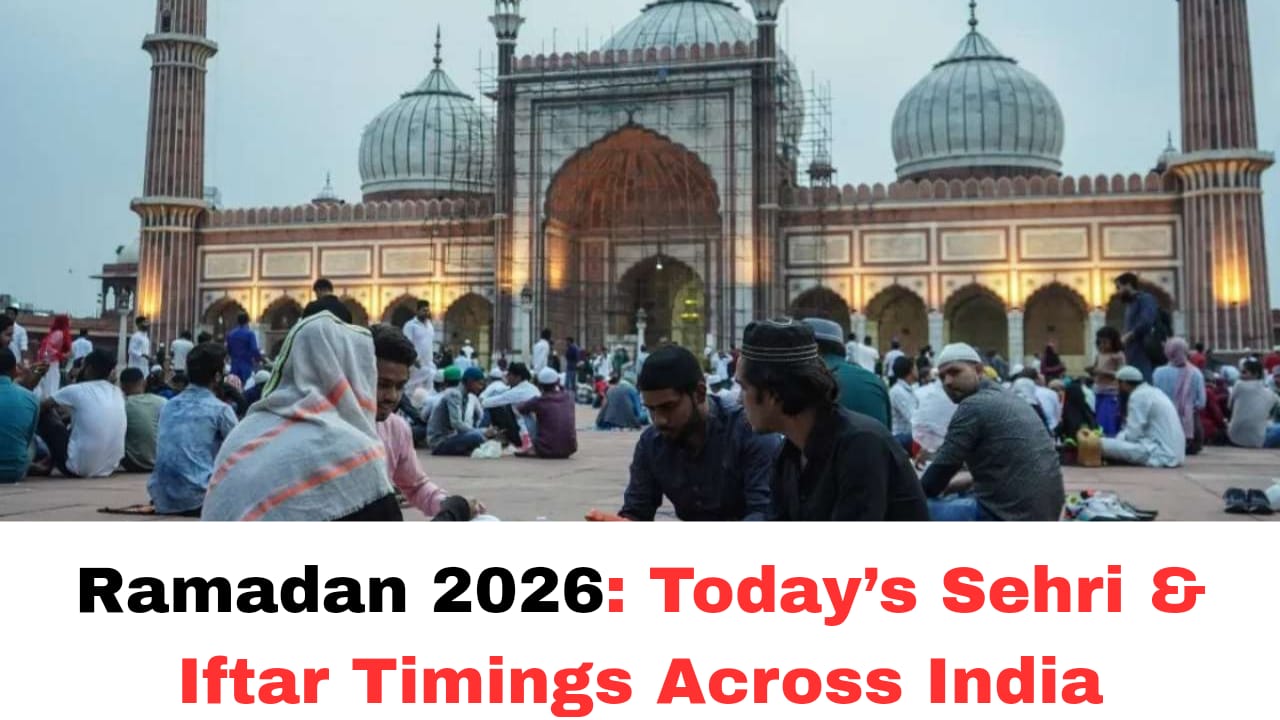
Sunday, 22 February 2026 marks the 4th day of Ramadan 1447 AH, the holiest month of the Islamic calendar when millions of Muslims in India and around the world observe fasts from pre-dawn (Sehri) to sunset (Iftar). Knowing accurate Sehri and Iftar times is essential for proper observance, as these indicate the exact moments to begin and end the daily fast.
As Ramadan continues, timings gradually change each day based on local sunrise and sunset times. Below, we detail the current Sehri and Iftar timings for key Indian cities for Sunday, 22 February 2026 and explain the traditions and significance of the fast.

City-Wise Sehri & Iftar Timings — 22 February 2026
Here are the approximate Sehri (pre-dawn end) and Iftar (sunset) times for various major Indian cities on Sunday, 22 February 2026 — the 4th Roza (fast) of Ramadan 1447 AH:
| City | Sehri (Latest time to eat before dawn) | Iftar (Time to break the fast) |
| Delhi | ~5:35 AM | ~6:17 PM |
| Mumbai | ~5:50 AM | ~6:42 PM |
| Bengaluru | ~5:28 AM | ~6:28 PM |
| Chennai | ~5:18 AM | ~6:17 PM |
| Kolkata | ~4:49 AM | ~5:37 PM |
| Lucknow | ~5:19 AM | ~6:03 PM |
| Hyderabad | ~5:27 AM | ~6:21 PM |
| Ahmedabad | ~5:52 AM | ~6:40 PM |
| Jaipur | ~5:44 AM | ~6:26 PM |
| Nagpur | ~5:21 AM | ~6:20 PM |
(Timings are approximate and may vary by a few minutes depending on local astronomical observations and calculation methods.)
In coastal regions such as Mahe or Parel (Mumbai), localized schedules can differ slightly — for example in Mahe, Sehri is around 5:35 AM and Iftar at about 6:37 PM.
It’s important for observers to consult local mosques, Islamic centres, or time tables issued by trusted authorities for precise minutes, especially where minute-by-minute differences matter for fasting and prayer schedules.
Understanding Sehri & Iftar — What They Mean
Sehri (also called Suhoor)
Sehri is the pre-dawn meal eaten before the Fajr (morning) prayer and before fasting begins. It is eaten before the time of Fajr (dawn), and the fast must begin after its conclusion. The Sehri meal often includes wholesome, energy-rich foods — dates, water, fruits, complex carbohydrates like oats or whole grains — to sustain energy through the day.
Iftar (Fast-Breaking Meal)
Iftar marks the end of the day’s fast at sunset (Maghrib). Traditionally, the fast is broken by eating dates and drinking water first, following the example of Prophet Muhammad (peace be upon him), before the main meal is served. The Iftar meal is often shared with family, friends, and the community — a moment of togetherness and gratitude.
Significance During Ramadan
Ramadan is considered the most sacred month for Muslims as it commemorates the revelation of the Qur’an. Fasting during this period, which includes abstaining from food, drink, smoking, and marital relations from dawn to sunset, is one of the Five Pillars of Islam and is observed to foster self-discipline, spiritual growth, and empathy for the less fortunate.
The fasting hours during Ramadan vary by location and lengthen or shorten slightly as the days progress. Observers follow the Sehri and Iftar times strictly to align their fasts with the sun’s movement — beginning the fast at dawn and completing it at sunset.
Ramadan 2026 in India — A Brief Timeline
Ramadan 2026 in India began around 19 February following moon sighting reports that marked the start of Ramadan 1447 AH. Fasting and religious activities — including Taraweeh (night prayers) — start from the evening before the first fast.
As the month unfolds, Sehri times gradually become earlier by a minute or so each day, while Iftar times shift slightly later as the days move toward the equinox. This gradual change reflects the dynamic nature of sunrise and sunset throughout the weeks of Ramadan.
Community & Spiritual Dimensions
Ramadan fasting isn’t just about abstaining from food and drink — it’s deeply rooted in spiritual reflection, prayer, charity (Zakat), and strengthening community bonds. Mosques often host Iftar gatherings where people from diverse backgrounds share meals, fostering a spirit of unity and generosity.

Families and neighbours sometimes exchange Iftar invites or distribute meals to those in need — a practice encouraged during Ramadan as part of Sadaqah (voluntary charity). These social and spiritual aspects make Ramadan a deeply communal and uplifting experience.
Conclusion
As Ramadan 2026 continues in India, millions of Muslims uphold this sacred tradition with devotion, guided by precise Sehri and Iftar timings that vary by city. Whether in bustling metropolises like Delhi and Mumbai or smaller regional communities, the rhythm of fasting from pre-dawn to sunset binds people in a shared experience of spiritual growth, empathy, discipline, and gratitude.
For observers today (22 Feb 2026), it’s important to finish Sehri before the listed pre-dawn times and prepare to break fast at sunset — marking each day of Ramadan with reverence, reflection, and community connection.
You May Also Read: Harrdy Sandhu Makes a Big Comeback to Pollywood With New Film Opposite Simrat Kaur