




Digital News Guru Crime Desk:
Delhi Police’s Operation Gang-Bust 2026
In one of the most expansive law-enforcement efforts in recent memory, the Delhi Police launched Operation Gang-Bust 2026 – a 48-hour multi-state crackdown aimed at dismantling organised criminal networks operating in and around the national capital. The operation, which ran from the evening of January 9 to January 11, 2026, resulted in the arrest of 854 suspects, including 280 identified gangsters, and marked an assertive push by authorities to curb crime ahead of the Republic Day celebrations.
A Coordinated Offensive Across Six States
‘Operation Gang-Bust 2026’ was not limited to Delhi alone. It involved a synchronized effort across six states – Delhi, Haryana, Punjab, Himachal Pradesh, Rajasthan, and Uttar Pradesh – and mobilised more than 9,000 police personnel from district units, the Crime Branch, and the Special Cell. Officers conducted raids at over 4,000 suspected hideouts linked to criminal networks, rounding up more than 6,500 individuals for questioning.
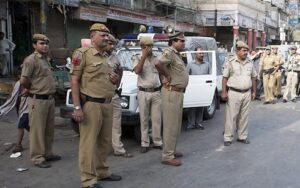
The scale of the operation reflected meticulous planning and intelligence coordination. Teams combed known gang hotspots, executed search warrants, and tracked down suspects involved in activities ranging from robbery and extortion to drug trafficking and violent crime. According to police officials, the objective was not merely high arrest numbers but systematic disruption of organised crime structures that have threatened public safety and contributed to a climate of fear in parts of the capital and neighbouring regions.
Impressive Arrests and Seizures
By the end of the two-day operation, authorities had taken 854 people into custody under various sections of the Bharatiya Nyaya Sanhita (BNS), Arms Act, Narcotic Drugs and Psychotropic Substances (NDPS) Act, Delhi Excise Act, and the Gambling Act, among others. Of these, 280 were gang members with known affiliations, while others included associates, aides, and persons with alleged links to ongoing investigations.
Police also recovered a significant cache of illegal arms and contraband during the raids:
- 122 firearms and 129 rounds of ammunition;
- 189 knives and other sharp weapons;
- 117 mobile phones often used for coordinating criminal activities;
- 117 kg of narcotic drugs including ganja, heroin, cocaine, and charas;
- 28,364 quarters of illicit liquor;
- Cash worth Rs 25.75 lakh; and several vehicles.
These seizures highlight the depth of criminal logistics that existed under the surface, with caches of weapons, drugs, and communication devices used to facilitate coordinated crime. The Delhi Police described this as a major disruption of the operational capabilities of multiple gangs.
Targeting Notorious Gang Networks
A key feature of the operation was its focus on dismantling established organised crime groups that have long been on police radar. Arrests included members affiliated with several notorious gangs, including those led by:
- Kapil Sangwan alias Nandu;
- Jitendra Mann alias Gogi;
- Kala Jathedi–Anil Chhippi;
- Neeraj Bawana, Hashim Baba, Tillu, and Saddam Gauri–Salman Tyagi, among others.
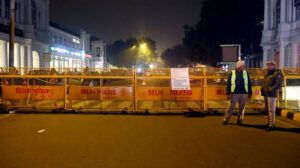
These groups have been associated with recurring incidents of violent crime, armed clashes, extortion rackets, and inter-gang rivalries in Delhi and neighbouring states. Police officials said their targeted approach aimed to break both the leadership and organisational infrastructure of such networks, thereby reducing their ability to orchestrate future criminal activity.
Strategic Timing Before Republic Day
Law-enforcement agencies emphasised that the timing of Operation Gang-Bust 2026 was strategic, with Republic Day on January 26 approaching. Police officials noted that such large-scale operations serve as preventive measures to deter gang violence, reduce the risk of organised crime during major public events, and reassure citizens of their safety.
“We intend to send a strong deterrent message to criminal elements that law enforcement will act decisively against organised networks,” said one senior police officer involved in the operation.
Beyond Arrests: Next Steps in Prosecution and Monitoring
While the headline figures – 854 arrests and hundreds of recovered weapons and contraband – reflect a successful crackdown, police emphasised that much work remains. Follow-up investigations, evidence analysis, prosecutions in court, asset seizures, and long-term monitoring of gang activity are now underway. Many of those arrested are expected to face prosecution under stringent legal provisions, including cases that could see enhanced sentences for organised crime involvement.
Authorities also signalled plans to maintain heightened surveillance and intelligence operations, especially in gang-affected zones. Asset tracing, financing investigations, and inter-agency cooperation with other state police forces remain key components of the broader effort to dismantle criminal ecosystems.

Public Safety and Community Confidence
The operation has had significant public impact, with residents and business owners in key neighbourhoods welcoming the strong-arm action against local gangs. For many, decades of sporadic crime – including shootouts, extortion, and drug peddling – have eroded confidence in local safety. High-visibility operations like this not only remove active offenders from the streets but also boost public confidence in law-enforcement capability.
However, police officials cautioned that these operations are not one-off events but part of sustained community policing and intelligence-led strategies. They underscored the importance of public cooperation, citing ongoing tips and intelligence from residents and informants that helped direct action to key hideouts.
Conclusion
Operation Gang-Bust 2026 represents a watershed moment in Delhi Police’s efforts to curb organised crime. With hundreds of arrests, extensive weapon and drug seizures, and coordinated enforcement across six states, authorities have sent a strong message that criminal networks will face unrelenting pressure. As prosecutions and investigations continue, the broader goal remains clear: to create safer communities across the capital and its periphery by dismantling criminal infrastructure and deterring future crime.
You May Also Read: U.S. imposing a 25% tariff on countries trading with Iran