



Digital News Guru New Delhi Desk:
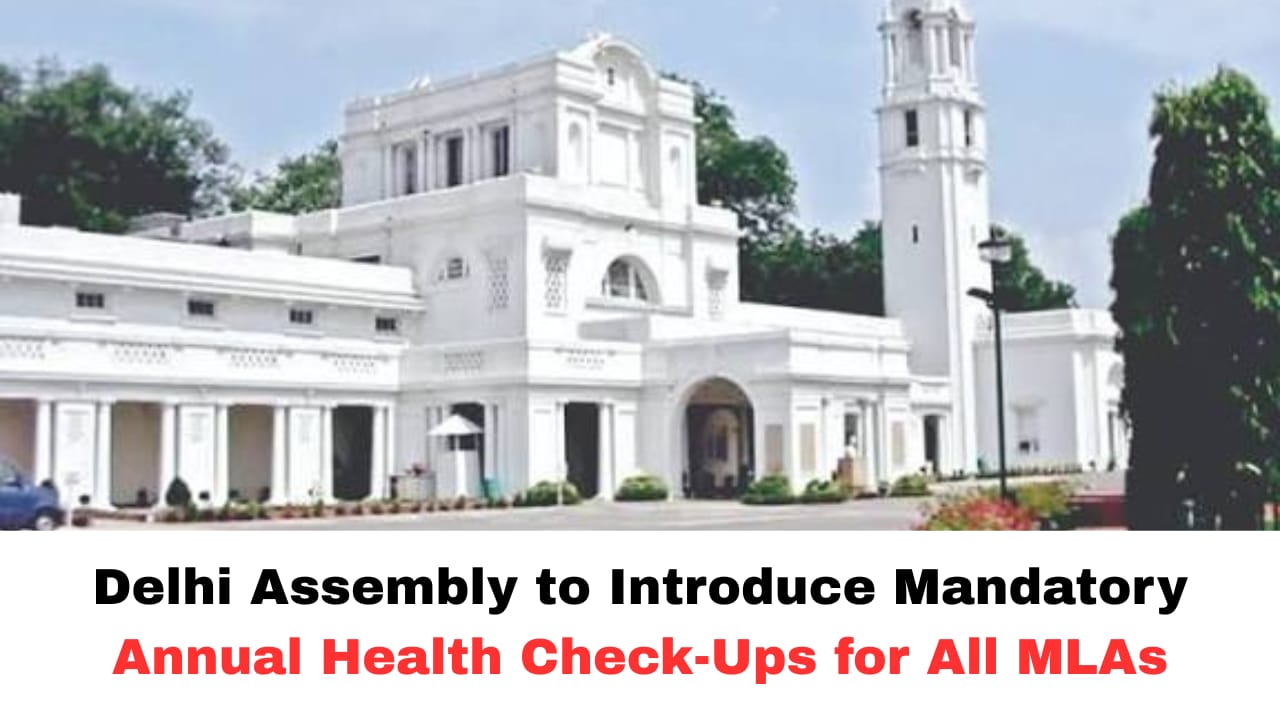
In a bid to prioritize preventive healthcare and ensure the effective functioning of the legislative body, the Delhi Assembly is moving forward with a proposal to mandate annual health screenings for all Members of the Legislative Assembly (MLAs). The initiative, currently in its final stages of approval, is expected to be officially announced soon and reflects a growing focus on health and well-being among public representatives.
Health Initiative for Delhi Lawmakers
Under the plan, all 70 MLAs of the Delhi Assembly will be required to undergo a comprehensive annual health check-up, free of cost. This includes:
- Chief Minister and Cabinet Ministers
- Assembly Speaker and Deputy Speakers
- All other Members of the Legislative Assembly

The screenings will cover preventive diagnostics, lifestyle and age-related assessments, specialist consultations, and other necessary medical evaluations.
These check-ups will be cashless and government-funded, supplementing existing healthcare entitlements available to MLAs under the Medical Attendance Rules and the Delhi Government Employees Health Scheme (DGEHS).
Why Health Screening for MLAs?
The main objective is to detect health issues early and promote preventive care, especially given that over 90 % of current MLAs are over the age of 40 — an age group more susceptible to chronic and lifestyle-related diseases. Regular health monitoring is expected to:
- Reduce the risk of serious health emergencies during legislative sessions.
- Ensure stronger participation in assembly work and constituency duties.
- Improve overall well-being and work performance of elected representatives.
Assembly Speaker Vijender Gupta has highlighted that early detection and timely intervention can help MLAs stay healthier and more engaged in their roles. The framework is intended to minimize disruptions to legislative work, with a 15-day screening window each year during which legislators can complete their check-ups.
How the Program Will Work
The Delhi Assembly Secretariat will coordinate the entire process, including appointment scheduling, diagnostic tests, and specialist consultations. The check-ups are planned to be conducted at empanelled hospitals in Delhi, many of which are major private institutions that partner with government health schemes.
Initially, the screenings are planned on an annual basis, but the proposal leaves room for bi-annual check-ups in the future based on need and medical considerations. This phased approach aims to balance thorough health oversight with minimal intrusion into legislative responsibilities.
Political and Public Health Context
This move comes at a time when healthcare and preventive medicine are gaining attention across various public policy discussions. While this particular initiative focuses on lawmakers, it resonates with broader debates in the country about expanding access to regular health screenings for citizens — a topic also raised by policymakers and activists in different forums.
Unlike some other health proposals aimed at the general public, the Delhi Assembly’s plan is specifically designed to ensure that elected representatives remain physically fit and capable of fulfilling their duties. Given the intense schedules and frequent public engagements that MLAs undertake, the screening initiative is seen as a proactive step toward maintaining the functional resilience of the city’s legislative body.
Broader Significance
The strategy of mandating health check-ups for public officials highlights a shift toward preventive care at multiple levels of governance. Traditionally, health monitoring for legislators and bureaucrats has been reactive, occurring only after health issues arise. By institutionalizing routine check-ups, the Delhi Assembly aims to set a precedent for health accountability among policymakers themselves.
Supporters of the plan argue that when lawmakers lead by example in prioritizing health, it can encourage citizens to take preventive healthcare more seriously — a potential positive ripple effect across society.

Next Steps and Implementation
The proposal is currently in the final phase of review. Once finalized, an official notification is expected outlining:
- The timeline for annual screenings.
- The list of empanelled hospitals where MLAs can undergo tests.
- The process for documentation and follow-up care if additional medical attention is needed.
Public Reaction
While the initiative has not yet sparked widespread public debate, it has drawn interest among health policy observers as part of a larger conversation on preventive healthcare. Some experts note that similar approaches could be considered in other states or for other public service roles, though they stress that transparency and cost-effectiveness will be key factors in wider adoption.
In summary, the Delhi Assembly’s move to introduce mandatory annual health check-ups for all MLAs represents a significant policy push toward preventive health within the political establishment. By institutionalizing regular health monitoring for lawmakers, the city aims to not only safeguard the well-being of its elected representatives but also reinforce the importance of preventive healthcare in public life.
You May Also Read: 2 Nipah Virus Cases Confirmed in West Bengal: WHO Assesses Risk as Low