



Digital News Guru New Delhi Desk:
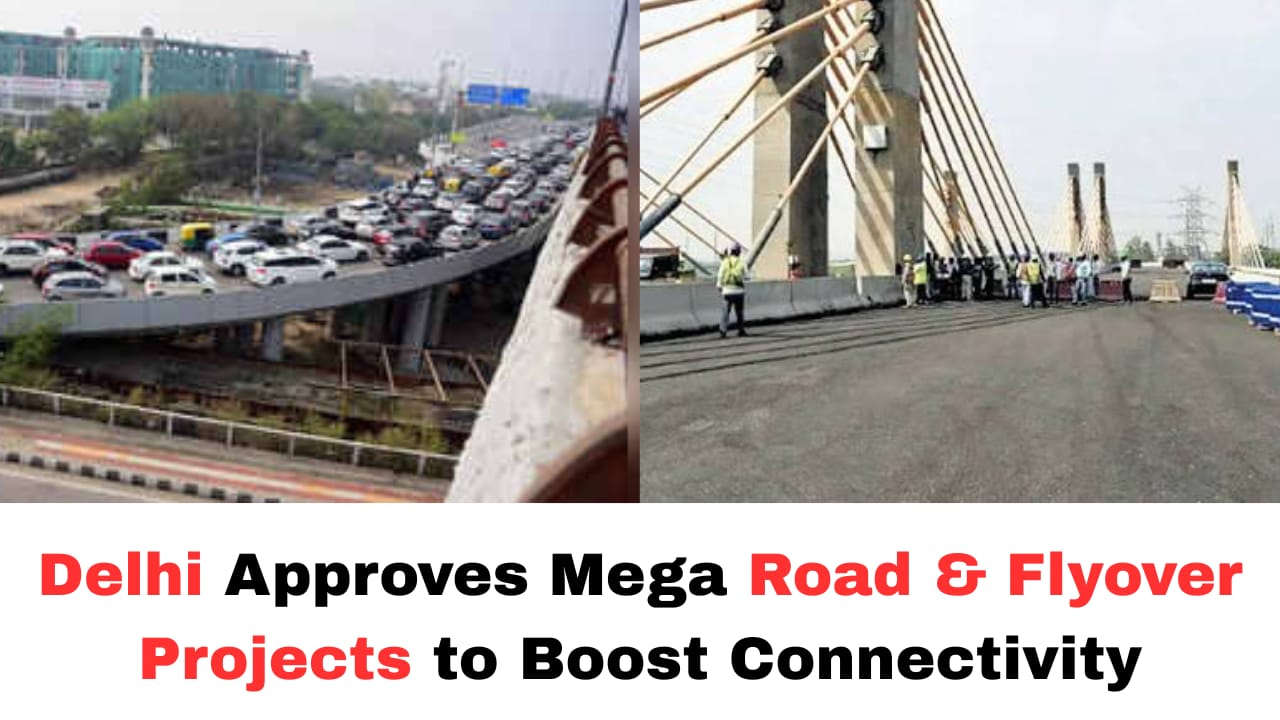
The Government of Delhi has approved a series of major infrastructure projects worth thousands of crores, aiming to significantly improve traffic flow and connectivity across the national capital. These developments are part of a broader strategy to modernize Delhi’s road network and tackle the city’s long-standing congestion issues.
Key Projects Announced
- Barapullah Phase-III Corridor
One of the most important projects is the Barapullah Phase-III corridor, which will connect:
- Mayur Vihar to Sarai Kale Khan
This stretch is expected to complete a crucial missing link in the Barapullah elevated road network. Once operational, it will provide seamless signal-free travel between East Delhi and Central/South Delhi.
The Barapullah corridor has already proven to be a major traffic reliever, especially during peak hours, and this extension will further enhance its utility.
- Mehrauli–Badarpur Elevated Corridor
Another major project is the elevated corridor on Mehrauli-Badarpur Road (MB Road), one of the busiest and most congested routes in South Delhi.
- The road connects areas like Mehrauli, Saket, and Badarpur
- It experiences heavy daily traffic and bottlenecks
The elevated corridor is expected to:
- Reduce travel time significantly
- Decongest surface roads
- Improve connectivity between South Delhi and Faridabad
Objectives of These Projects
The Delhi government aims to address several urban challenges through these initiatives:
- Reduce traffic congestion in key corridors
- Cut travel time for daily commuters
- Improve urban mobility and connectivity
- Potentially lower vehicle emissions due to smoother traffic flow
Why This Matters for Delhi
Delhi’s rapid urbanization and rising vehicle population have put immense pressure on its road infrastructure. Key routes like MB Road and the East–South Delhi corridors often face severe congestion.
These projects are expected to:
- Provide long-term relief to commuters
- Support economic activity by improving logistics and movement
- Enhance overall quality of life in the city
Improved connectivity also has economic implications. Efficient transportation networks facilitate the movement of goods and people, supporting business activities and boosting productivity. In this sense, the projects are not just about convenience but also about economic growth.
Challenges and Concerns
Despite their potential benefits, large-scale infrastructure projects often come with challenges. Construction work can lead to temporary traffic disruptions, causing inconvenience to commuters. Managing these disruptions effectively will be crucial to maintaining public support.
There are also concerns related to land acquisition, environmental impact, and project timelines. Delays and cost overruns are common in such projects, and ensuring timely execution will be a key test for the authorities.
Moreover, urban planners emphasize the need for a balanced approach. While road expansion is necessary, it should be complemented by investments in public transport, cycling infrastructure, and pedestrian-friendly spaces to create a sustainable urban mobility system.
A Step Toward the Future
The approval of the Barapullah Phase-III corridor and the Mehrauli-Badarpur elevated road reflects the Delhi government’s commitment to improving infrastructure and addressing urban challenges. These projects are part of a broader vision to transform Delhi into a city with world-class connectivity and efficient transportation systems.
If implemented successfully, they have the potential to reshape daily commuting experiences for millions of residents. Faster travel, reduced congestion, and better connectivity can significantly enhance the quality of life in the city.
Conclusion
Delhi’s latest infrastructure push marks an important milestone in its journey toward modernization. By investing in large-scale road and flyover projects, the government is taking concrete steps to tackle one of the city’s most pressing issues—traffic congestion.
While challenges remain, the long-term benefits of these projects could be substantial. As construction progresses and the corridors become operational, Delhi may move closer to achieving a more streamlined, efficient, and sustainable urban transport system.
You May Also Read: Uttar Pradesh’s Big Leap: 8 Data Centre Parks to Build a Digital and AI Hub