



Digital News Guru Delhi Desk:
Delhi Fire Tragedy
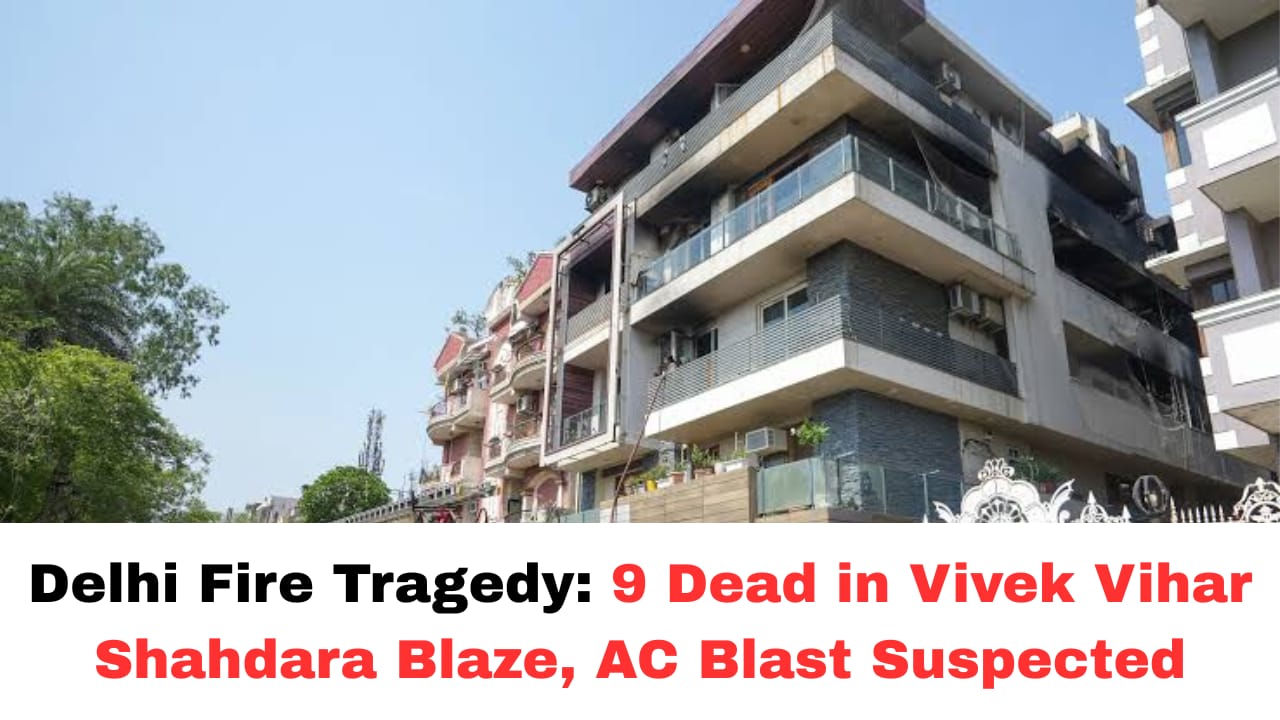
In one of the deadliest residential fire incidents in recent times, at least nine people lost their lives after a massive blaze engulfed a four-storey building in Delhi’s Vivek Vihar area of Shahdara in the early hours of Sunday, May 3, 2026. The tragic incident has not only shocked the national capital but also raised serious questions about fire safety standards in densely populated residential neighborhoods.
A Sudden and Deadly Outbreak
According to initial reports, the fire broke out around 3:00–3:50 AM, a time when most residents were asleep, leaving them with little time to react. The blaze reportedly started on one of the middle floors and quickly spread to other parts of the building, fueled by household materials and the close structure of the flats.
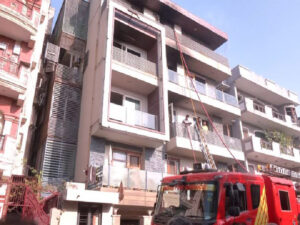
Preliminary investigations suggest that the cause of the fire may have been an air conditioner (AC) explosion or an electrical short circuit, although officials have stated that the exact cause will be confirmed only after a detailed probe.
Nine Killed in Vivek Vihar Blaze
The death toll rose to nine as rescue teams recovered charred bodies from different floors of the building. Reports indicate that victims were found in various locations, including staircases and individual flats, suggesting that many residents attempted to escape but were trapped by the rapidly spreading fire.
Emergency services responded swiftly after receiving distress calls. Around 12 to 14 fire tenders were rushed to the site, and firefighters worked for several hours to bring the blaze under control. Several people were rescued during the operation, but the intensity of the fire significantly hampered efforts to save everyone inside.
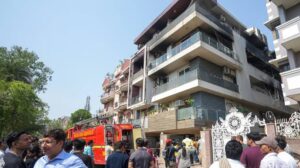
Eyewitness accounts described scenes of panic and chaos, with residents shouting for help and trying to escape through narrow passages and balconies.
Structural Hazards Turn Fatal
One of the most alarming aspects of the tragedy was the role of structural barriers in increasing the death toll. Many flats in the building had locked exits and iron-grilled balconies, which effectively turned homes into traps during the fire.
As the flames spread and thick smoke filled the building, residents found themselves with limited escape routes. In some cases, entire families were caught inside their homes, unable to break free. The presence of grills, often installed for security reasons, became a deadly obstacle during the emergency.
Families Devastated
Among the victims were multiple members of the same family, highlighting the devastating human cost of the incident. Reports also indicate that a young child was among those killed, underscoring the indiscriminate nature of the tragedy.
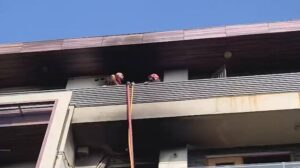
The loss has left families shattered and the local community in mourning. Neighbors and relatives gathered at the site as rescue operations continued, many anxiously awaiting news of missing loved ones.
Investigation Underway
Authorities have launched a thorough investigation into the incident to determine the exact cause and identify any lapses in safety compliance. Officials are examining whether the building adhered to fire safety norms and whether proper precautions, such as fire exits and alarms, were in place.
The possibility of negligence, particularly in terms of unauthorized structural modifications like sealed exits or illegal constructions, is also being explored. If violations are confirmed, strict action is likely to follow.
A Wake-Up Call for Urban Safety
The Vivek Vihar fire has once again exposed the vulnerabilities of urban residential infrastructure in India. In many densely populated areas, buildings are often constructed or modified without strict adherence to safety regulations. Features like locked gates, narrow staircases, and absence of fire-fighting equipment can turn minor incidents into major disasters.
Fire safety experts emphasize the need for:
- Regular inspection of electrical systems
- Installation of smoke detectors and fire alarms
- Unobstructed emergency exits
- Public awareness about fire evacuation procedures
This incident serves as a grim reminder that safety measures are not optional but essential, especially in high-density housing.
Government and Public Response
Local authorities and political leaders have expressed condolences to the families of the victims and assured support for those affected. There have also been renewed calls for stricter enforcement of building codes and fire safety regulations across Delhi.
Residents across the city are increasingly demanding accountability and better preparedness to prevent such tragedies in the future.
Conclusion
The Shahdara fire tragedy is not just an isolated incident but a reflection of deeper systemic issues related to urban planning, safety compliance, and emergency preparedness. As investigations continue, the focus must shift toward ensuring that such incidents do not recur.
For now, the city mourns the loss of nine lives—lost not just to fire, but to a combination of hazards that could have been prevented.
You May Also Read: Karan Johar Likely to Make Debut at Met Gala 2026