



Digital News Guru New Delhi Desk:
Delhi Metro Blue Line Maintenance
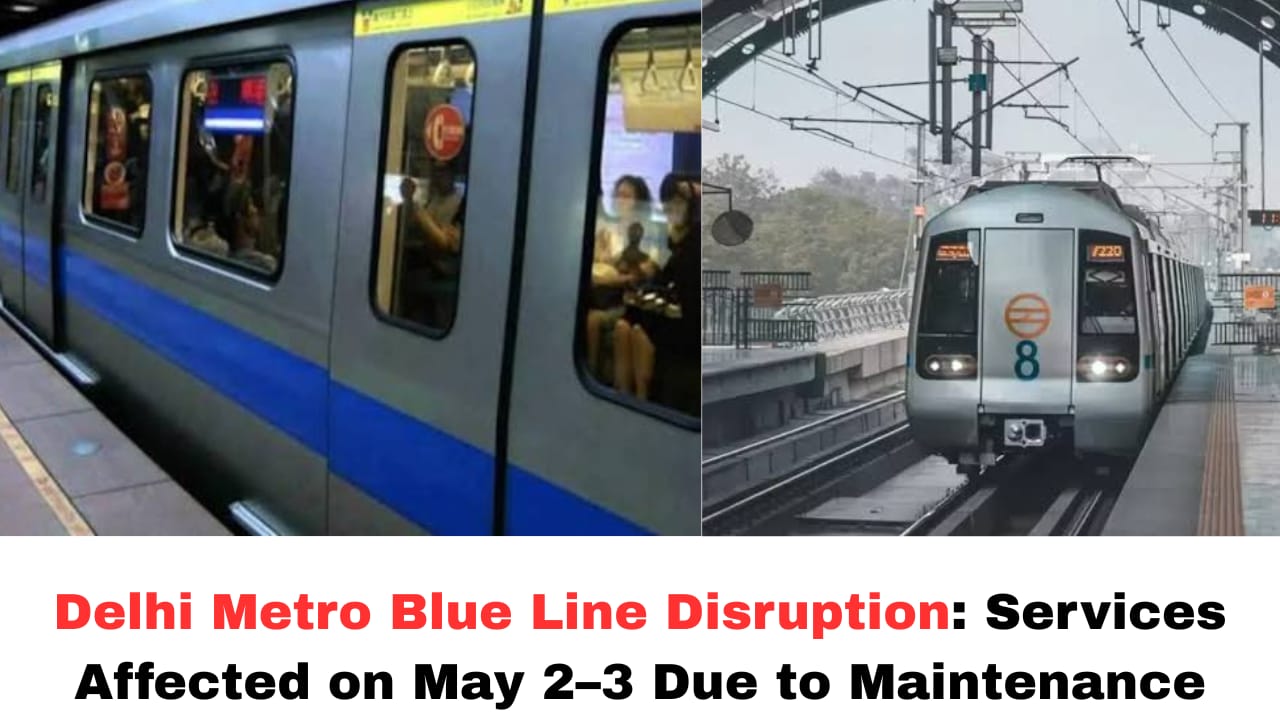
Delhi’s lifeline—the metro network—will see temporary disruptions on its busiest corridor, the Blue Line, as the Delhi Metro Rail Corporation (DMRC) undertakes scheduled maintenance work. The advisory, issued for the night of May 2 and early hours of May 3, 2026, is aimed at ensuring long-term safety and efficiency but may cause short-term inconvenience for passengers.
A Planned Move for Safety and Efficiency
According to official updates, metro services on the Blue Line will be regulated due to routine maintenance work, particularly between key stations. The affected stretch lies between Indraprastha and Supreme Court stations, an important segment connecting central Delhi to multiple residential and commercial hubs.
Such maintenance work is a standard practice in large metro systems worldwide. Tracks, signaling systems, and electrical infrastructure require periodic checks to prevent technical failures and ensure smooth operations. In Delhi, where millions rely on the metro daily, preventive maintenance is critical to avoid unexpected disruptions during peak hours.
Timing of the Disruption
The advisory clearly states that the disruption will occur:
- Night of May 2, 2026
- Early morning of May 3, 2026
The timing has been carefully chosen to minimize inconvenience, as passenger traffic is relatively low during late-night and early-morning hours. However, early commuters on Sunday morning may experience delays or changes in train schedules.
DMRC has also indicated that first train timings may be revised at some stations, which could affect those traveling for work, airport transfers, or intercity connections.
Impact on Commuters
The Blue Line is among the most heavily used metro corridors in Delhi-NCR, connecting major destinations such as Dwarka, Noida City Centre, Noida Electronic City, and Vaishali. Because of its extensive reach and high ridership, even minor disruptions can have a noticeable impact.
Passengers can expect:
- Reduced frequency of trains on the affected stretch
- Short delays, especially in the early hours
- Possible changes in boarding or interchange patterns
While services will not be completely halted, the regulation means trains may not run at their usual intervals, leading to longer waiting times.
Why the Blue Line Matters
The significance of this disruption lies in the importance of the Blue Line itself. Stretching over 50 kilometres and connecting key residential, commercial, and transit hubs, it plays a crucial role in Delhi’s public transport system.
For many commuters, the Blue Line is not just a route but a daily necessity. It links:
- Office districts in central Delhi
- Residential areas in East and West Delhi
- Satellite cities like Noida and Ghaziabad
Because of this, any advisory related to the Blue Line tends to affect a large number of people.
Preventive Maintenance vs. Unexpected Disruptions
While disruptions can be inconvenient, they are often preferable to sudden breakdowns or technical failures. In the past, Delhi Metro has witnessed occasional delays due to issues such as signaling failures or technical snags, which have caused longer disruptions during peak hours.
Scheduled maintenance, on the other hand, is planned in advance and communicated to the public. This allows commuters to prepare and adjust their travel plans accordingly. In the long run, such proactive measures help maintain the reliability and reputation of the metro system.
Advisory for Passengers
To minimize inconvenience, DMRC has advised passengers to:
- Check updated schedules before traveling
- Allow extra travel time, especially in the early morning
- Use alternative routes or metro lines if possible
Commuters traveling through the affected stretch should remain alert for announcements at stations and inside trains. Mobile apps and official social media channels of DMRC are also expected to provide real-time updates.
A Balance Between Convenience and Safety
The temporary disruption highlights the constant balancing act faced by urban transport systems: ensuring passenger convenience while maintaining infrastructure safety. While commuters may experience minor delays, the long-term benefits of maintenance far outweigh the short-term inconvenience.
Modern metro systems like Delhi’s operate under high pressure, with trains running frequently and carrying massive passenger loads. Without regular maintenance, the risk of breakdowns increases significantly. By scheduling such work during off-peak hours, DMRC aims to maintain efficiency without severely impacting daily operations.
Conclusion
The partial disruption of Delhi Metro’s Blue Line services on May 2–3 is a planned and necessary step toward maintaining system reliability and passenger safety. While early morning commuters may face minor delays, the maintenance work will help ensure smoother operations in the future.
For a city as dynamic and densely populated as Delhi, the metro remains an essential backbone of urban mobility. Initiatives like scheduled maintenance demonstrate a proactive approach to infrastructure management—one that prioritizes safety, efficiency, and long-term sustainability.
In the end, while the temporary inconvenience may require commuters to adjust their plans, it also reflects a larger commitment to keeping Delhi’s metro system safe and dependable for millions of daily passengers.
You May Also Read: India Tests Nationwide Emergency Alert System, Phones Flash “Extremely Severe” Message