



Digital News Guru Political Desk:
Nitish Kumar’s Shift to Rajya Sabha
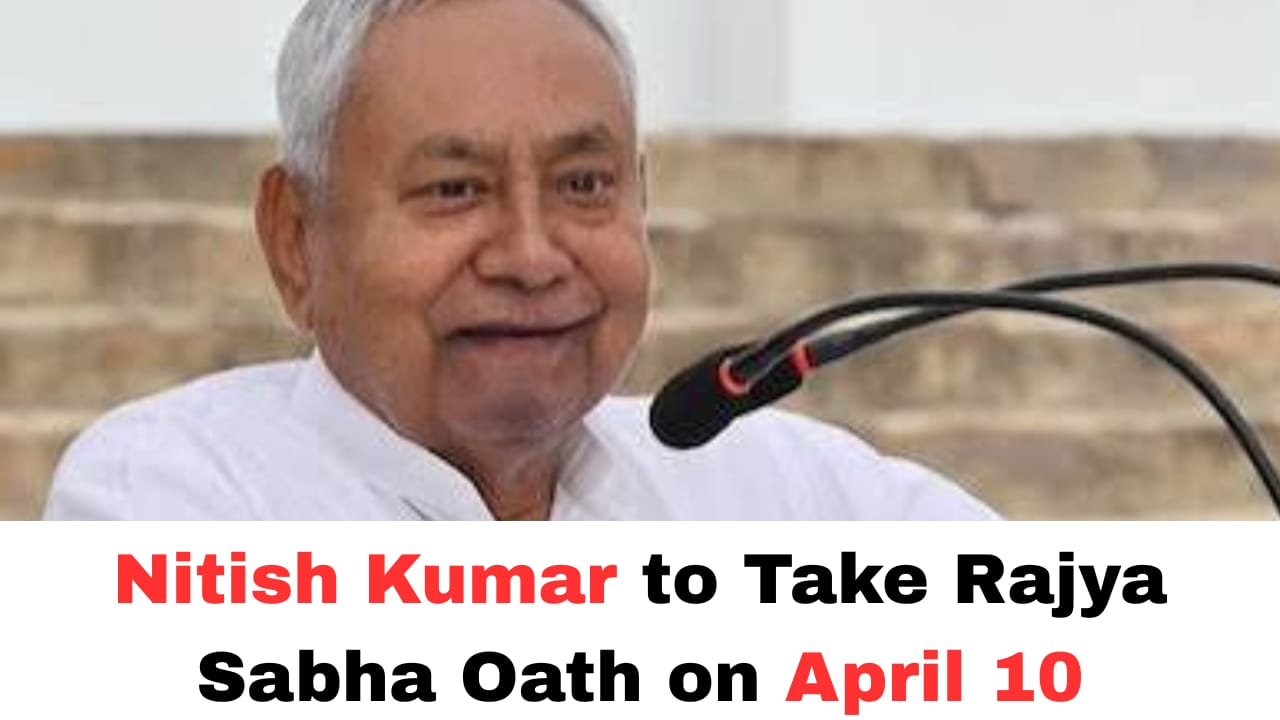
The decision of Bihar Chief Minister Nitish Kumar to visit Delhi on April 9, 2026, and take oath as a Member of Parliament in the Rajya Sabha the following day marks a significant moment in Indian politics. More than a routine parliamentary transition, this move signals a major shift in Bihar’s political landscape and potentially the beginning of a new chapter in Kumar’s long political career.
Nitish Kumar, one of India’s most experienced regional leaders, has dominated Bihar politics for nearly two decades. Having served multiple terms as Chief Minister, his leadership has shaped the state’s governance, development agenda, and political alliances. His transition to the Rajya Sabha, often referred to as the “House of Elders,” is being interpreted as both a strategic and symbolic move—one that could redefine not only his role but also the future of Bihar politics.
The Timeline of Events
According to recent reports, Nitish Kumar is scheduled to travel to Delhi on April 9 and take oath as a Rajya Sabha MP on April 10, 2026. This comes shortly after his election to the Upper House as part of the 2026 Rajya Sabha elections, which are currently underway across the country.
In preparation for this transition, Kumar has already resigned from the Bihar Legislative Council, a necessary constitutional step when moving from state to national legislature. His resignation underscores the seriousness of this shift and confirms that the move is not merely symbolic but part of a broader political realignment.
Possible Resignation as Chief Minister
One of the most crucial questions arising from this development is whether Nitish Kumar will continue as Chief Minister after becoming a Rajya Sabha MP. Reports suggest that he may step down from the post shortly after taking oath in Parliament, possibly around mid-April.
If this happens, Bihar could witness a change in leadership as early as April 14. This has triggered intense political speculation about who will succeed him and how the ruling alliance will manage the transition.
Political Implications for Bihar
Nitish Kumar’s move is widely seen as the potential “end of an era” in Bihar politics. For years, he has been the central figure around whom alliances have been formed and dissolved. His governance style, political adaptability, and ability to navigate complex coalitions have earned him both praise and criticism.
With his departure from the Chief Minister’s post, the balance of power in Bihar may shift significantly. The Bharatiya Janata Party (BJP), a key ally in the ruling coalition, is expected to play a crucial role in deciding the next Chief Minister. This could alter the dynamics within the alliance and reshape governance priorities in the state.
At the same time, Kumar’s own party, Janata Dal (United), will need to redefine its leadership structure and political strategy. The absence of its most prominent leader from state politics could pose challenges in maintaining its influence.
A Strategic Move to National Politics
Nitish Kumar’s entry into the Rajya Sabha is also being viewed as a calculated move to shift focus from state to national politics. The Upper House of Parliament provides a platform for experienced leaders to contribute to national policymaking without the pressures of direct electoral politics.
Some analysts believe that Kumar may assume the role of an “elder statesman,” offering guidance and strategic input at the national level. This transition could allow him to remain politically relevant while stepping back from the day-to-day demands of state governance.
Moreover, his presence in Parliament could influence national political alignments, especially given his history of shifting alliances and playing a key role in coalition politics.
Broader Context: Rajya Sabha Elections 2026
The 2026 Rajya Sabha elections are part of a regular cycle in which members of the Upper House are elected by state legislatures. These elections are significant because they determine the balance of power in Parliament, particularly for passing legislation.
Nitish Kumar’s election to the Rajya Sabha from Bihar highlights the importance of experienced leaders in shaping legislative debates and national policies. It also reflects the strategic decisions of political parties in positioning their senior leaders at the national level.
Challenges Ahead
While the move opens new opportunities for Nitish Kumar, it also presents several challenges:
- Leadership transition in Bihar: Ensuring a smooth handover of power without internal conflicts
- Alliance management: Balancing the interests of coalition partners
- Maintaining political relevance: Adapting to a new role in national politics
- Public perception: Managing how voters interpret this shift
For Bihar, the immediate challenge will be maintaining administrative continuity and political stability during the transition period.
Conclusion
Nitish Kumar’s decision to move to the Rajya Sabha is a landmark development with far-reaching implications. It signifies not just a personal career transition but a broader political transformation in Bihar.
As the state prepares for a possible change in leadership, all eyes will be on how political parties navigate this transition and what it means for governance and development in Bihar. At the national level, Kumar’s entry into Parliament adds another seasoned voice to the legislative process.
In many ways, this moment represents both an end and a beginning—the closing of a significant chapter in Bihar’s political history and the opening of a new phase in Nitish Kumar’s long and influential career.
You May Also Read: Ramayana Teaser Out: Ranbir Kapoor as Lord Rama Stuns Fans on Hanuman Jayanti