



Digital News Guru New Delhi Desk:
No PUC, No Fuel” Rule Comes Into Force in Delhi: A Bold Step Against Air Pollution
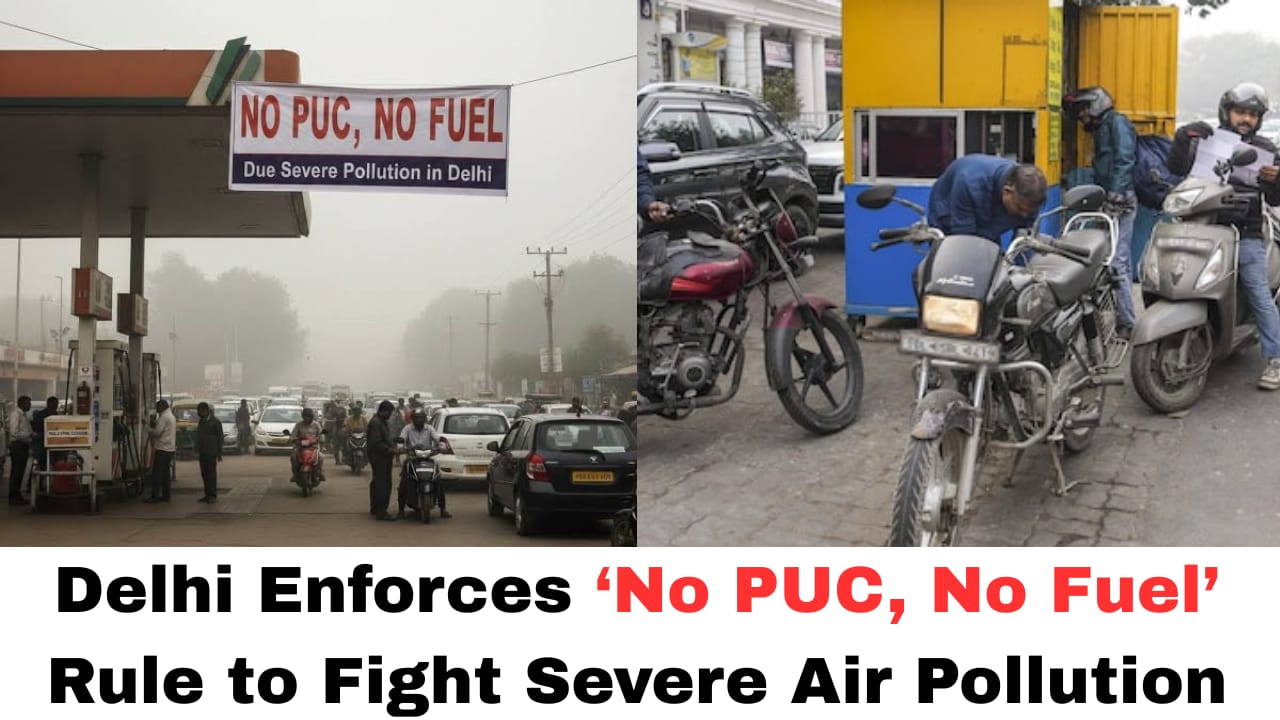
In a sweeping effort to combat the severe air pollution crisis that has engulfed the national capital, the Delhi government has begun enforcing the “No PUC, No Fuel” rule from December 18, 2025. Under this new regulation, vehicles without a valid Pollution Under Control Certificate (PUC) will not be allowed to refuel at petrol pumps anywhere in the city. The rule, part of the Graded Response Action Plan (GRAP) Stage-IV measures, aims to cut down vehicular emissions — a major contributor to Delhi’s toxic smog problem.
What the Rule Means
The core principle of the rule is straightforward: no valid PUC certificate, no access to fuel. Petrol, diesel and CNG stations across Delhi have been instructed to:
- Refuse fuel to vehicles that do not present a valid PUC certificate.
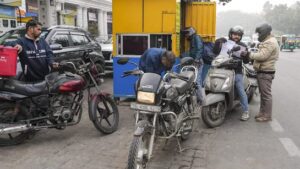
- Use automatic number plate recognition (ANPR) cameras and other technology to verify compliance.
- Be supported by police personnel and traffic teams to enforce the rule.
PUC certificates signify that a vehicle’s emissions fall within acceptable limits. By denying fuel to vehicles without such certificates, authorities are pressuring owners to maintain their emission controls — thereby reducing air pollution at the source.
Why This Step Was Deemed Necessary
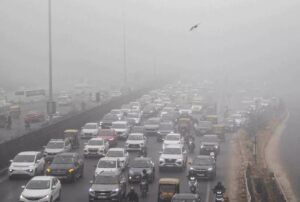
Delhi typically suffers some of the world’s poorest air quality levels during winter, driven by cold weather, windless conditions, crop-burning in neighbouring states, and emissions from vehicles and industries. According to environmental data underlying the push for GRAP Stage-IV restrictions, pollutants like PM2.5 and PM10 can reach hazardous concentrations, posing serious health risks to children, the elderly, and individuals with respiratory issues.
Officials have said that vehicles contribute a significant share of these harmful pollutants. Older and poorly maintained vehicles, in particular, tend to emit more toxic gases when their pollution control systems are not functioning properly. The new rule is therefore aimed at directly curbing emissions from this sector.
Implementation on the Ground
The enforcement drive got off to a strong start:
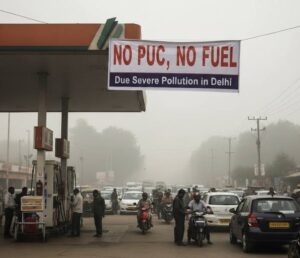
- Petrol pumps stopped fueling non-compliant vehicles immediately upon enforcement. Station operators are checking PUC certificates before dispensing fuel.
- At city borders and checkpoints, police and transport officials are verifying both PUC validity and emission standards, especially for vehicles entering from outside Delhi.
- Authorities also banned entry of non-BS-VI vehicles (older, high-polluting petrol and diesel vehicles) registered outside Delhi as part of the same anti-pollution campaign.
On the first day of enforcement, the Transport Department denied fuel to about 2,800 vehicles that lacked valid PUC certificates, underlining the seriousness of the crackdown. Additional challans and checks have also taken place as part of the ongoing effort.
How Enforcement Is Being Carried Out
Authorities have put a wide enforcement network in place:
- 126 checkpoints including key border entry points around Delhi are being monitored.
- 580 police personnel and transport department teams are deployed at petrol pumps, borders and major routes to check compliance.
- Automatic Number Plate Recognition (ANPR) cameras, voice alerts at fuel stations and on-ground police support are helping officials identify vehicles without valid PUC certificates.
Authorities have also clarified that certain vehicles — such as electric vehicles, CNG-powered public transport, and vehicles performing essential services — are exempt from these restrictions.
Wider Context: GRAP and National Efforts
The “No PUC, No Fuel” rule is one of multiple measures being deployed under GRAP Stage-IV. Other restrictions include bans on non-BS-VI vehicles, limitations on construction vehicles, and advisories to promote work-from-home for non-essential workers to reduce commuter traffic.
These moves come amid growing recognition from both policymakers and environmental experts that systemic changes — and not just temporary fixes — are needed to address Delhi’s chronic air pollution problem. Some experts are advocating for year-round PUC enforcement, not just during high-pollution periods, to sustain long-term improvements in air quality.
Implications for Daily Commuters
For ordinary residents, the immediate impact is significant. Vehicle owners now need to:
- Ensure their PUC certificates are valid and up-to-date to avoid being denied fuel or fined.
- Consider upgrading to cleaner vehicles if their current ones fail to meet emission standards.
- Plan travel with awareness that checks and restrictions may continue as long as air quality remains hazardous.
While the rule may cause short-term inconvenience, authorities emphasize its importance in protecting public health and reducing harmful emissions.
Looking Ahead
As enforcement continues, the government hopes to see sustained drops in vehicular emissions and noticeable improvements in air quality indexes across the city. The success of this initiative will likely depend on public cooperation, coordination with neighbouring states on vehicle pollution controls, and consistent enforcement at fuel stations and checkpoints.
In the short term, Delhiites can expect continued enforcement and possible expansion of pollution control measures until the city’s air quality shows marked improvement. But for many residents, the “No PUC, No Fuel” rule marks a new normal — one that prioritizes environmental health over convenience, and signals a determined push toward cleaner air for the capital.
You May Also Read: OnePlus 15s Spotted on BIS Certification Site — India Launch Imminent