



Digital News Guru National Desk:
Rising LPG Prices Push Small Food Businesses to the Brink
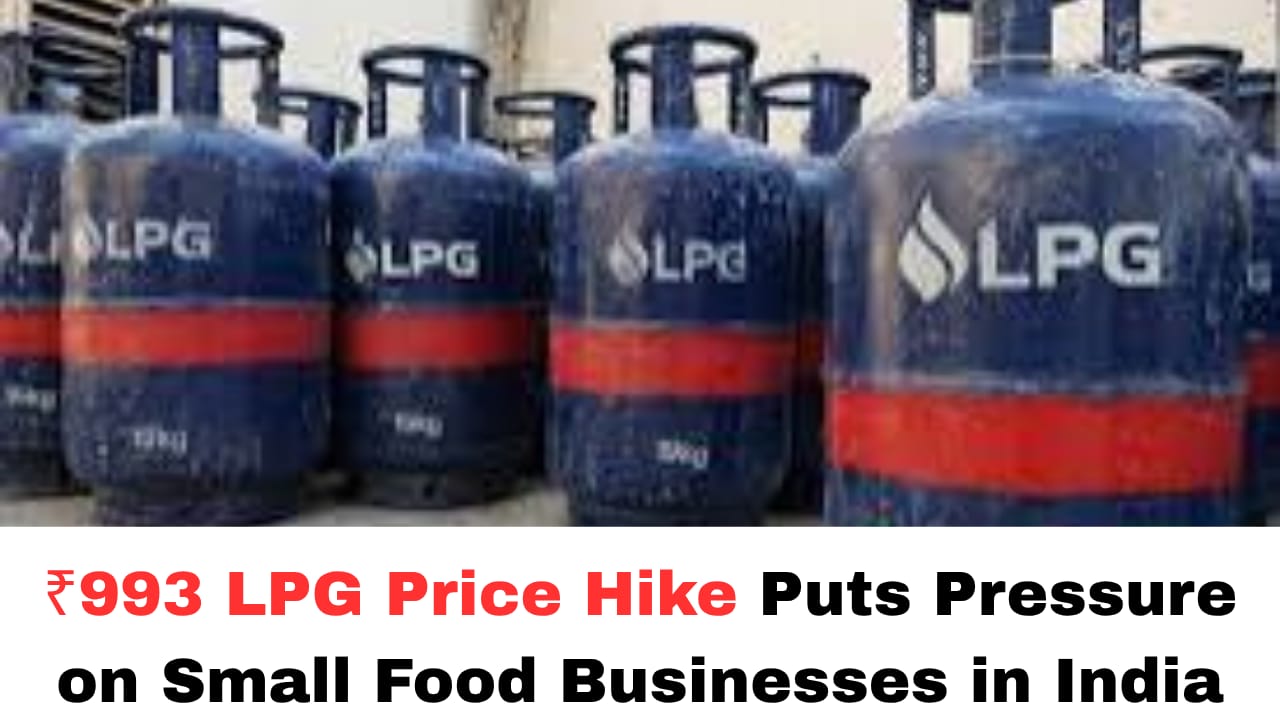
India’s informal food economy—made up of street vendors, roadside stalls, and small eateries—is facing a growing crisis as commercial LPG prices surge sharply across the country. The latest hike, one of the steepest in recent years, has significantly increased the cost of cooking fuel, putting immense pressure on small business owners who depend on LPG for their daily operations.
At the heart of the issue is a ₹993 increase in the price of a 19-kg commercial LPG cylinder, which has pushed rates to over ₹3,000 in major cities like Delhi. This sudden rise has disrupted the fragile balance that small food businesses maintain between affordability and profitability.
The Backbone of India’s Food Economy
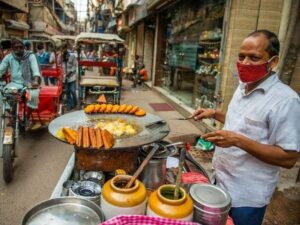
Street vendors and small eateries play a vital role in India’s urban ecosystem. They provide affordable meals to millions, especially daily wage workers, students, and office-goers. These businesses typically operate on extremely thin profit margins, making them highly sensitive to fluctuations in input costs.
Cooking gas is not just another expense—it is the core of their business model. As one report notes, LPG is essential for preparing food quickly, safely, and efficiently, particularly in urban areas where alternatives like firewood are impractical or restricted.
With the sudden spike in LPG prices, this essential input has become significantly more expensive, threatening the sustainability of thousands of small enterprises.
Immediate Impact on Vendors
The effects of the price hike are already visible on the ground. In cities like Delhi, vendors are struggling to cope with the rising cost of cylinders, compounded by issues such as limited availability of smaller cylinders and supply inconsistencies.
Many vendors have been forced to make difficult choices:
- Increasing food prices, which risks losing customers
- Reducing portion sizes or menu offerings
- Cutting operational hours to save fuel
- In extreme cases, temporarily shutting down
Reports from various regions indicate that some eateries have already raised food prices by 10–30% to offset the higher fuel costs. This has a direct impact on consumers, particularly those who rely on low-cost meals for daily sustenance.
Ripple Effect on Consumers and Inflation
The LPG price hike is not just a business issue—it has broader economic implications. As vendors pass on increased costs to customers, the price of everyday food items rises. From tea stalls to small restaurants, the cost of basic meals is expected to climb steadily.
This creates a ripple effect:
- Higher food prices contribute to overall inflation
- Low-income groups face increased financial strain
- Demand for affordable food may decline, affecting vendors further
Experts warn that such cost pressures can disrupt the delicate balance of the informal economy, which employs millions and supports urban livelihoods.
Why Prices Are Rising
The surge in LPG prices is largely driven by global energy market trends. Ongoing geopolitical tensions, particularly in West Asia, have led to a spike in crude oil prices, which in turn affects LPG rates.
Additionally, this is not an isolated increase. Commercial LPG prices have been rising consistently over the past few months, with multiple hikes since March 2026. The cumulative impact of these increases has made it increasingly difficult for small businesses to absorb the costs.
Limited Alternatives for Vendors
While some vendors are exploring alternatives to LPG, the options are limited and often impractical:
- Firewood or coal: Cheaper but restricted in cities due to pollution concerns
- Electric cooking: Requires higher investment and leads to increased electricity bills
- PNG (Piped Natural Gas): More stable but not widely available
As a result, most small food businesses remain heavily dependent on LPG, leaving them vulnerable to price fluctuations.
Threat to Livelihoods
If the current trend continues, the consequences could be severe. Industry reports suggest that prolonged high fuel costs may lead to:
- Closure of small eateries and street food stalls
- Job losses in the informal sector
- Reduced availability of affordable food options
The crisis also highlights the vulnerability of small businesses to external shocks. Unlike large restaurant chains, street vendors lack the financial cushion to withstand sudden cost increases.
Calls for Intervention
In response to the situation, there have been growing calls for government intervention. Business groups and political leaders have urged authorities to consider:
- Rolling back or moderating price hikes
- Providing subsidies or support to small businesses
- Ensuring better supply and availability of LPG cylinders
Such measures, they argue, are essential to protect the livelihoods of millions and prevent further economic strain.
Conclusion
The sharp rise in commercial LPG prices has exposed a critical challenge in India’s economic landscape—how global energy trends can directly impact local livelihoods. For small eateries and street vendors, the hike is not just an increase in expenses; it is a threat to survival.
As food prices rise and profit margins shrink, the burden is shared by both vendors and consumers. Addressing this issue will require a balanced approach that considers the needs of small businesses while managing broader economic pressures.
In the coming weeks, the situation will be closely watched. Whether through policy intervention or market stabilization, the response to this crisis will play a crucial role in determining the future of India’s vast and vital informal food sector.
You May Also Read: Delhi Metro Blue Line Disruption: Services Affected on May 2–3 Due to Maintenance