



Digital News Guru National Desk:
IndiGo Cancels Over 1,000 Flights
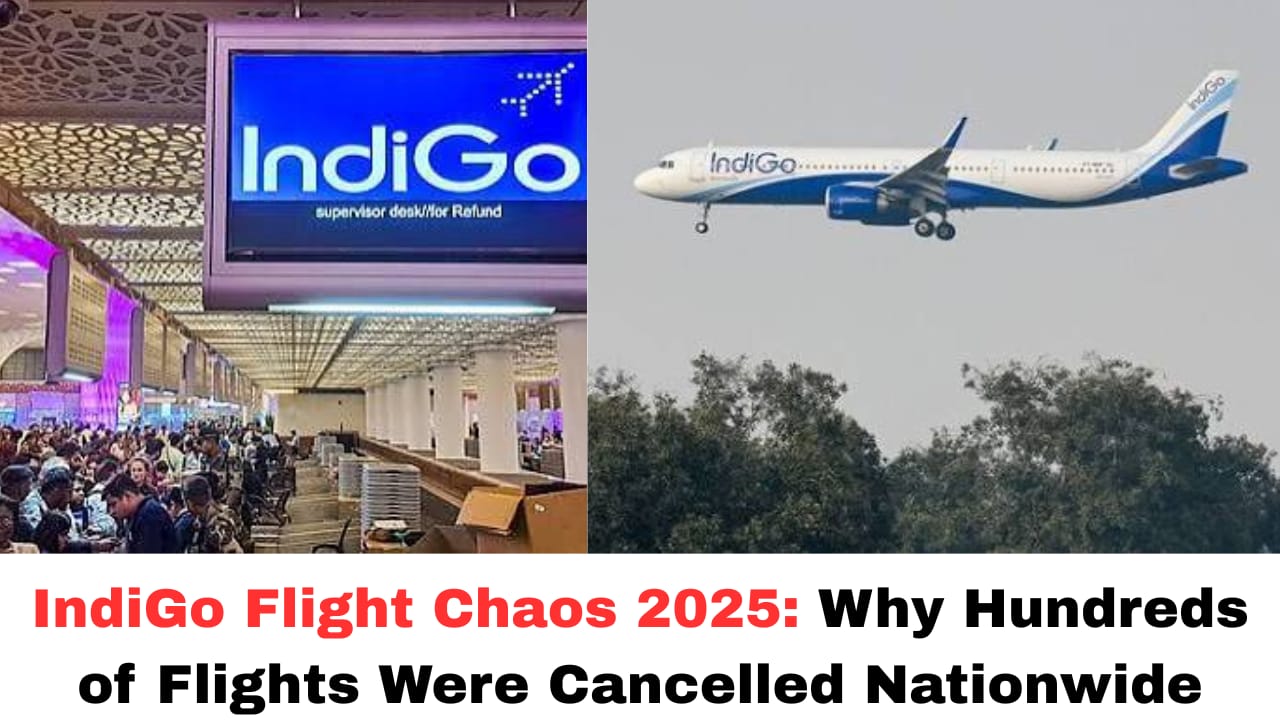
In early December 2025, IndiGo’s flight operations across India plunged into disarray. On December 5, the crisis reached a peak: the airline cancelled over 1,000 flights in a single day — the highest number of cancellations ever recorded in one day by an Indian carrier.
Especially alarming was the situation at the capital — all domestic departures from Indira Gandhi International Airport (Delhi) were grounded till midnight.
Flight after flight was cancelled or delayed across major hubs — Mumbai, Bengaluru, Hyderabad, Chennai — leaving thousands of travellers stranded.
By December 4, the airline’s on-time performance (OTP) had nosedived to as low as 8.5%–19.7%, compared with its usual 80%+ OTP pre-crisis.
According to recent tallies, the disruption has resulted in over 2,100–3,800 flight cancellations nationwide by early December.
Why Did This Happen? The Root Causes
At the heart of this crisis are regulatory changes and mis-management by IndiGo:
- In 2025, the Directorate General of Civil Aviation (DGCA) rolled out stricter safety norms under the Flight Duty Time Limitations (FDTL) scheme to address pilot fatigue. The new rules increased mandatory rest periods, reduced the number of allowed night landings per pilot, and capped night-flight duty hours.
- Other airlines adjusted crew rosters to comply with these norms — but IndiGo, despite knowing the changes well in advance, reportedly failed to recruit sufficient pilots or build in buffer capacity. The result: crew shortage once stricter norms went into effect.
- Pilot associations criticized the airline’s “lean manpower strategy” and “hiring freeze,” saying it was unreasonable to expect smooth operations under the new workload norms.
- IndiGo itself acknowledged “misjudgement and planning gaps” in implementing its roster under the new rules.
Simply put: the airline underestimated how much buffer it needed. When the new rules kicked in, its schedule — and the broader aviation network — buckled under the pressure.
Impact on Passengers, Market, and Institutions
— For Travellers
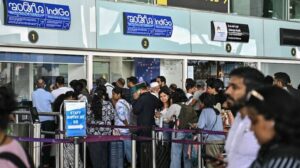
The carnage for passengers has been severe. Airports across India — especially busy hubs like Delhi and Mumbai — turned chaotic as stranded travellers waited for hours, often with scarce information.
Many had to scramble for alternate transport, pay inflated fares on last-minute bookings, or extend hotel stays due to canceled flights.
Refunds, rebookings, baggage recovery — all became a nightmare for countless passengers. Some found themselves in limbo for days; others claimed they were offered no real alternatives despite repeated cancellations.
— On the Industry and Market Side
The crisis has exposed a structural vulnerability in Indian aviation: with a few carriers — notably IndiGo and Air India — controlling the bulk of domestic air traffic, disruptions at a single airline ripple across the whole network.
Financially too, IndiGo has taken a hit. The company had to issue refunds — reportedly running into hundreds of crores.
And reputational damage may have longer-term consequences: traveller trust, investor confidence, regulatory scrutiny — all have surged.

Regulatory and Administrative Response
The government and regulator have not stayed quiet:
- The DGCA issued a show-cause notice to IndiGo’s CEO Pieter Elbers, demanding explanation within 24 hours for operational failures and scheduling breakdown.
- The Ministry of Civil Aviation (MoCA) ordered IndiGo to complete all passenger refunds by evening of December 7, and barred the airline from charging any rescheduling or cancellation fees for flights between December 5–15.
- A dedicated “passenger support & refund cell” was mandated to tackle complaints, offer alternate flights or accommodations, and assist with baggage and other issues.
- Additionally, fares on many routes were capped temporarily, to prevent price gouging from shortage-driven surge.
IndiGo responded with public apologies and committed to restoring normalcy — projecting that network-wide stabilization would occur between December 10 and December 15, with full recovery by February 2026.
As a first sign of recovery, the airline recently reported that 95% of its connectivity had been restored, working across 135 out of 138 destinations in its network.
What’s Changing — And What Still Needs to Happen
After a week (or more) of severe disruption, there are tentative signs of improvement:
- Flight cancellations have dropped from over 1,000 per day to fewer than 1,000, and the airline says it’s gradually re-establishing schedules.
- Refunds and waivers are being processed; stranded passengers are receiving support; baggage and rebooking issues are being addressed.
But underlying structural issues remain:
- IndiGo’s lean staffing model — previously used to maximize profitability — is now clearly unsustainable under stricter safety regulations. The episode has exposed the risk of over-reliance on a single airline controlling much of the domestic market.
- Passenger confidence has taken a hit — many may avoid IndiGo or unwilling to book flights until airline demonstrates consistent reliability.
- Regulators and government now face pressure to re-examine not only airline-specific failings but broader aviation policy: scheduling norms, buffer capacity, regulatory flexibility, and fair competition.
What Travellers Should Do (And What to Watch For)
If you have upcoming travel plans with IndiGo — or are booking flights soon — it’s wise to:
- Check your flight status repeatedly (on airline site/app + airport updates) up to the last moment.
- Prefer flights with alternate carriers if possible — especially on high-demand routes.
- Keep all booking and cancellation/change related emails, screenshots — these will help with refund claims or compensation.
- Follow advisories from DGCA / Ministry — keep an eye out for fare-caps, refund waivers, and airline communication.
From the broader perspective: this crisis may mark a turning point for Indian aviation. It underscores the trade-off between aggressive growth models and the necessity for operational resilience — especially when regulatory changes demand higher staffing and rest norms.
Only time will tell whether IndiGo and regulators learn from this — but for now, travellers and the entire industry have been given a vivid — and costly — lesson.
You May Also Read: Smriti Mandhana, Palash Muchhal Unfollow Each Other After Called-Off Wedding