



Digital News Guru National Desk:
Strike Overview: “All India Breakdown”
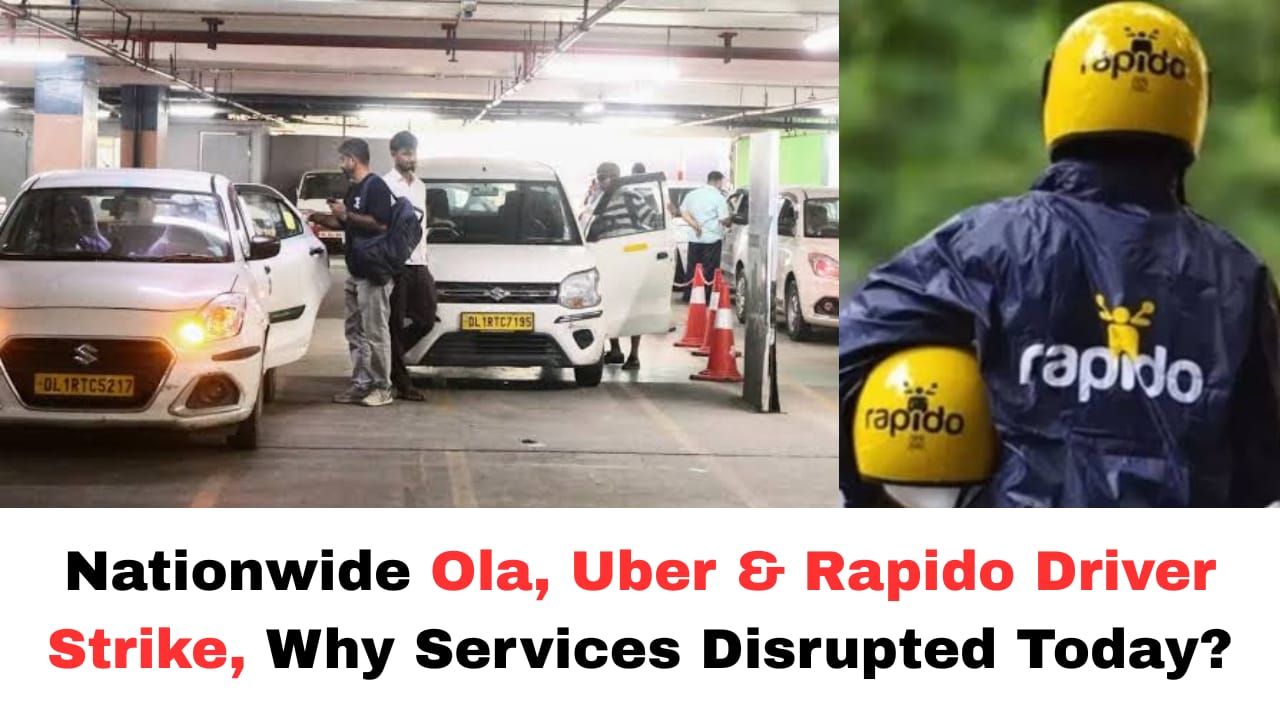
Thousands of drivers associated with ride-hailing platforms such as Ola, Uber and Rapido have initiated a nationwide strike today, termed an “All India Breakdown”, expected to disrupt cab, auto and bike-taxi services in major cities including Delhi, Mumbai, Bengaluru, Hyderabad and others.
The action — backed by unions such as the Telangana Gig and Platform Workers Union (TGPWU) and others — sees drivers logging off their apps and remaining offline for several hours to protest against current fare practices and working conditions.
Why Are They Striking?
The strike is fueled by deep frustration among app-based drivers over income instability, arbitrary fare setting by platforms, rising costs, and inadequate regulation of the gig economy:
- Drivers argue that despite the Motor Vehicle Aggregator Guidelines, 2025, platform companies continue to set fares arbitrarily, harming drivers’ earnings.
- Unions say the absence of government-notified minimum base fares and unchecked fare discounts have squeezed driver incomes, making daily earnings unpredictable.
- There are also concerns over the commercial use of private vehicles without proper conversion and regulation, which unions claim creates unfair competition for licensed drivers.
The action reflects broader dissatisfaction with gig-economy employment conditions — a sector that now employs millions of workers but often lacks formal job protections and consistent earnings.
Core Demands Driving the Strike
According to union statements and media reports, the drivers’ demands include:
- Immediate notification of minimum base fares for all app-based transport services (cabs, autos, bike taxis), fixed in consultation with recognised driver unions.
- Strict regulation or ban on private vehicles being used for commercial passenger and goods transport unless properly converted, to safeguard livelihoods of licensed drivers.
- Removal or revision of clauses in the Motor Vehicle Aggregator Guidelines that allow platforms to offer discounts far below base fares, which unions say undercuts driver income.
- Calls for legally binding safeguards on income, safety, accident insurance and overall working conditions for gig drivers.

Unions say millions of app-based transport workers are being pushed into precarious economic positions while the major aggregator platforms continue to profit.
Impact on Commuters
The strike has led to noticeable service disruptions in several cities today:
- Many commuters have found it difficult to book ride-hailing services, with delayed pick-ups or no vehicles available on apps.
- In the Delhi-NCR region, drivers cited very low rates and safety concerns as reasons for joining the protest, with some saying it is hard to earn even Rs 1,000 a day under current fare structures.
- The strike is expected to last around six hours, though actual participation and impact may vary city by city.
Commuters relying on ride-hailing and bike-taxi services today are being advised to make alternative travel plans, especially during peak hours.
Broader Gig Economy Context
The strike comes amid growing concerns over gig economy worker rights in India. The Economic Survey 2025–26 highlighted that income instability is a major issue for gig workers, with a large proportion earning less than Rs 15,000 per month.
In recent months, other gig workers — including food delivery and quick commerce staff — have also organised protests and strikes over pay and working conditions, indicating a growing movement among digital platform workers for greater protections and fairer employment norms.
Industry and Government Response
So far, ride-hailing companies like Ola, Uber and Rapido have not publicly responded in detail to the strike announcements. Discussions between driver unions and government authorities are expected in the coming days as unions seek formal engagement from both central and state governments on their demands.
Transport unions are urging authorities to take the protest seriously and begin dialogue on minimum fare notifications, enforcement of the Motor Vehicle Aggregator Guidelines, and structural changes to ensure fair working conditions for gig drivers.
You May Also Read: Senior Maoist Leader L. Prabhakar Rao Killed in Major Anti-Insurgency Operation in Gadchiroli