



Digital News Guru National Desk:
MGNREGA Bachao Sangram
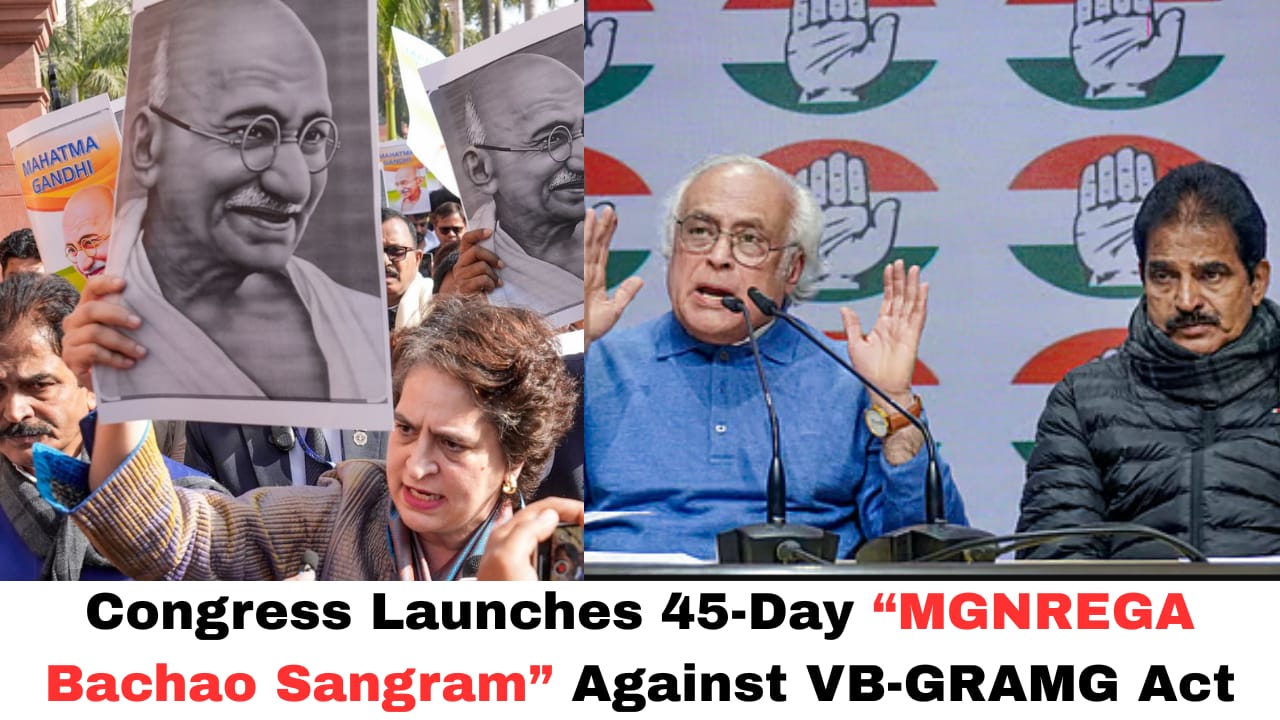
The Indian National Congress has announced a 45-day nationwide protest movement named “MGNREGA Bachao Sangram” (Save MGNREGA Struggle) to oppose the central government’s new rural employment law, the VB-GRAMG (Viksit Bharat-Guarantee for Rozgar and Ajeevika Mission Gramin). The campaign is set to run from January 10 to February 25, 2026.
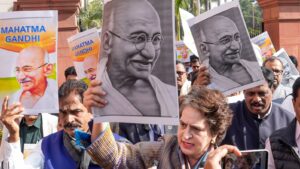
Congress leaders argue that the VB-GRAMG Act replaced the long-standing Mahatma Gandhi National Rural Employment Guarantee Act (MGNREGA) — a legally enforceable job-guarantee programme — with a scheme that they claim undermines the constitutional right to work and weakens local governance.
Timeline & Structure of the Protest
According to party leaders:
- The first phase of the movement begins on January 10 with district-level press interactions.
- On January 11, there will be symbolic protests and fasts at district headquarters.
- From January 12–29, panchayat-level meetings and grassroots programmes are planned.
- Ward-level sit-ins on January 30 will highlight demands for the right to work.
- From February 7–15, state-level gheraos of Vidhan Sabhas are scheduled.
- The movement will culminate with four major rallies between February 16–25.
Congress leaders say the campaign will combine peaceful protests, community outreach, and legal action, including plans to challenge the VB-GRAMG law in court.
Congress Demands
At the core of the protest, Congress is demanding:
- Withdrawal of the VB-GRAMG Act.
- Restoration of MGNREGA as a rights-based law guaranteeing employment.
- Protection of panchayati raj institutions and rural workers’ rights — including women, Dalits, Adivasis, and the rural poor.
- Restoration of the legal right to work, which they say has been diluted under the new law.
Congress President Mallikarjun Kharge has underscored that MGNREGA was more than a welfare scheme — it was a constitutional guarantee of work for rural households. He described the new VB-GRAMG law as a move toward centralisation, where funding and employment guarantees would be subject to Central government discretion rather than statutory entitlement.
Political Context & Opposition
The campaign is not just limited to Congress; regional parties and leaders from opposition-ruled states are also preparing to join or support aspects of the movement. Congress has appointed coordinators at the district level to mobilise support and awareness for the protest across rural India.
Meanwhile, political allies like the Aam Aadmi Party (AAP) have staged their own protests opposing the renaming and restructuring of the rural employment scheme, framing it as counter-productive to rural workers.
In states like Karnataka, the ruling Congress government has openly criticised the VB-GRAMG Act, questioning the funding pattern and its implications for rural workers and gram panchayat authority. Leaders there argue that the new Act shifts significant financial burdens to states and diminishes decentralised control.
Why This Matters
From Rights to Centralisation
The heart of the disagreement is around the shift from MGNREGA’s rights-based framework — wherein rural households were legally guaranteed a minimum number of workdays — to VB-GRAMG’s new model, which critics say introduces centralised control over funds and decision-making.
Economic and Social Impact
Supporters of MGNREGA have consistently highlighted its role in reducing rural distress, curbing migration, and enhancing women’s economic dignity. Congress leaders argue that weakening this law could reverse those gains and leave millions of rural workers vulnerable.
Federal Structure Concerns
Opposition parties also argue that the VB-GRAMG law undermines fiscal federalism by determining funding responsibilities and allocations without adequate state consultation — an element they say could set a troubling precedent for future policy making.
Looking Ahead
As the 45-day “MGNREGA Bachao Sangram” unfolds, attention will be on how it resonates with rural communities nationwide and whether it pressures the government to reconsider or amend the VB-GRAMG framework. The multi-phase strategy signals a long-haul protest effort that combines grassroots mobilisation with legal and political pressure.
You May Also Read: Rajasthan: 150 kg Explosives Seized, Two Arrested Ahead of New Year’s Celebrations